LINKIT Annual Report 2025







Our 2025


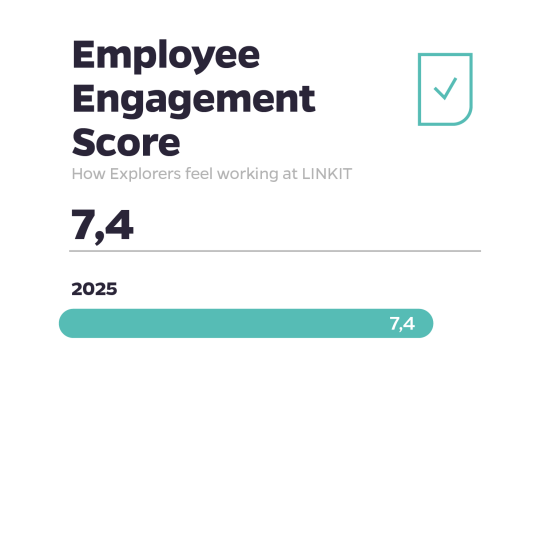

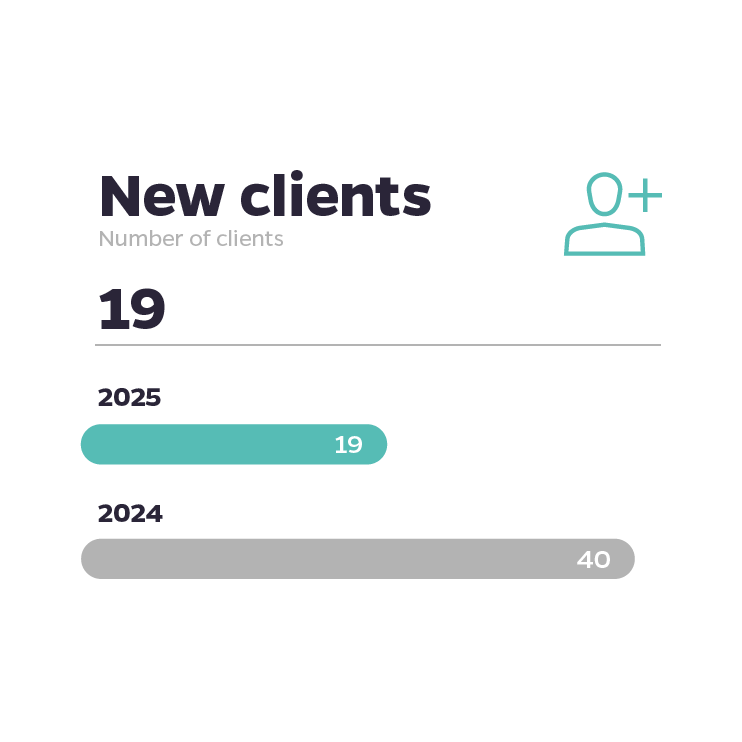

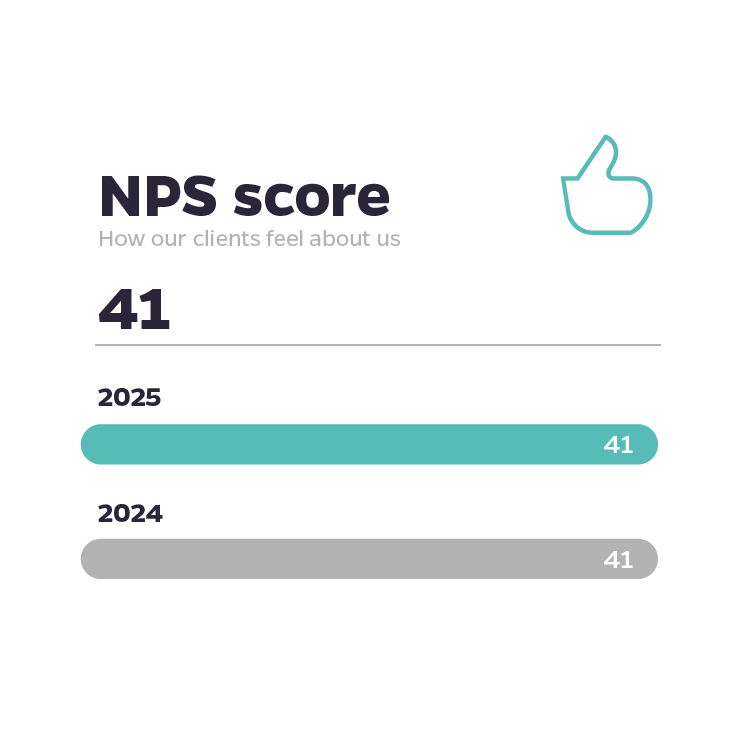

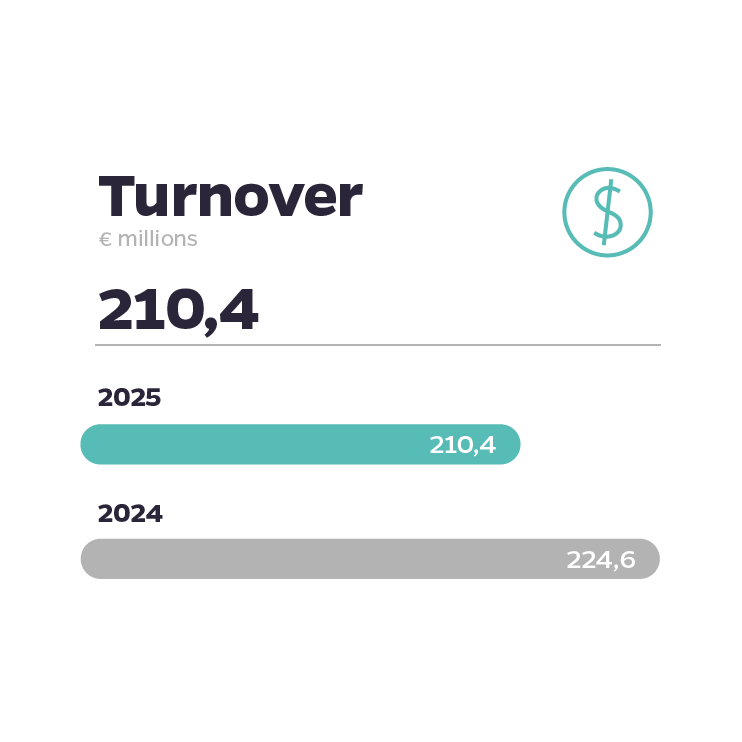
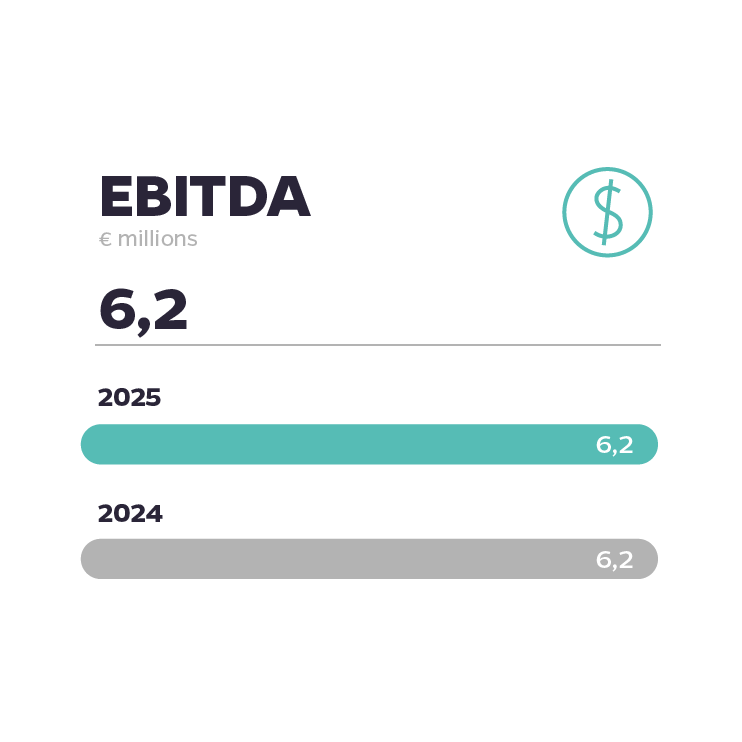
Financial key performances
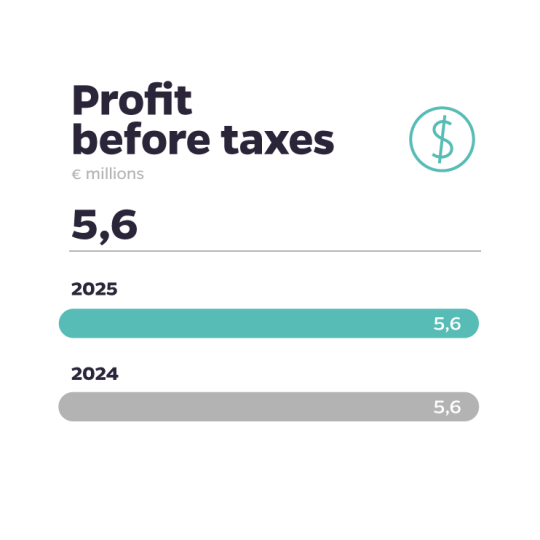



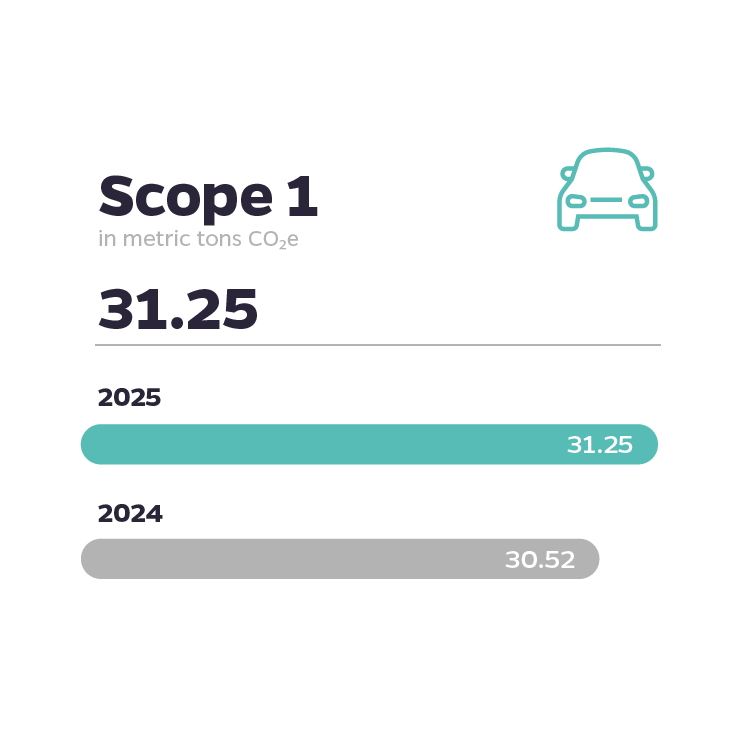
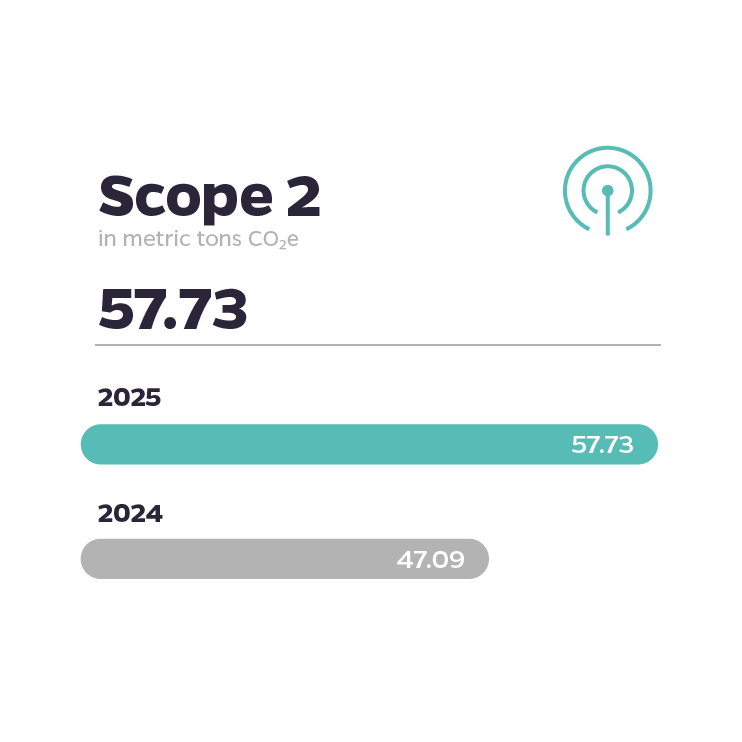
Sustainability-related performances








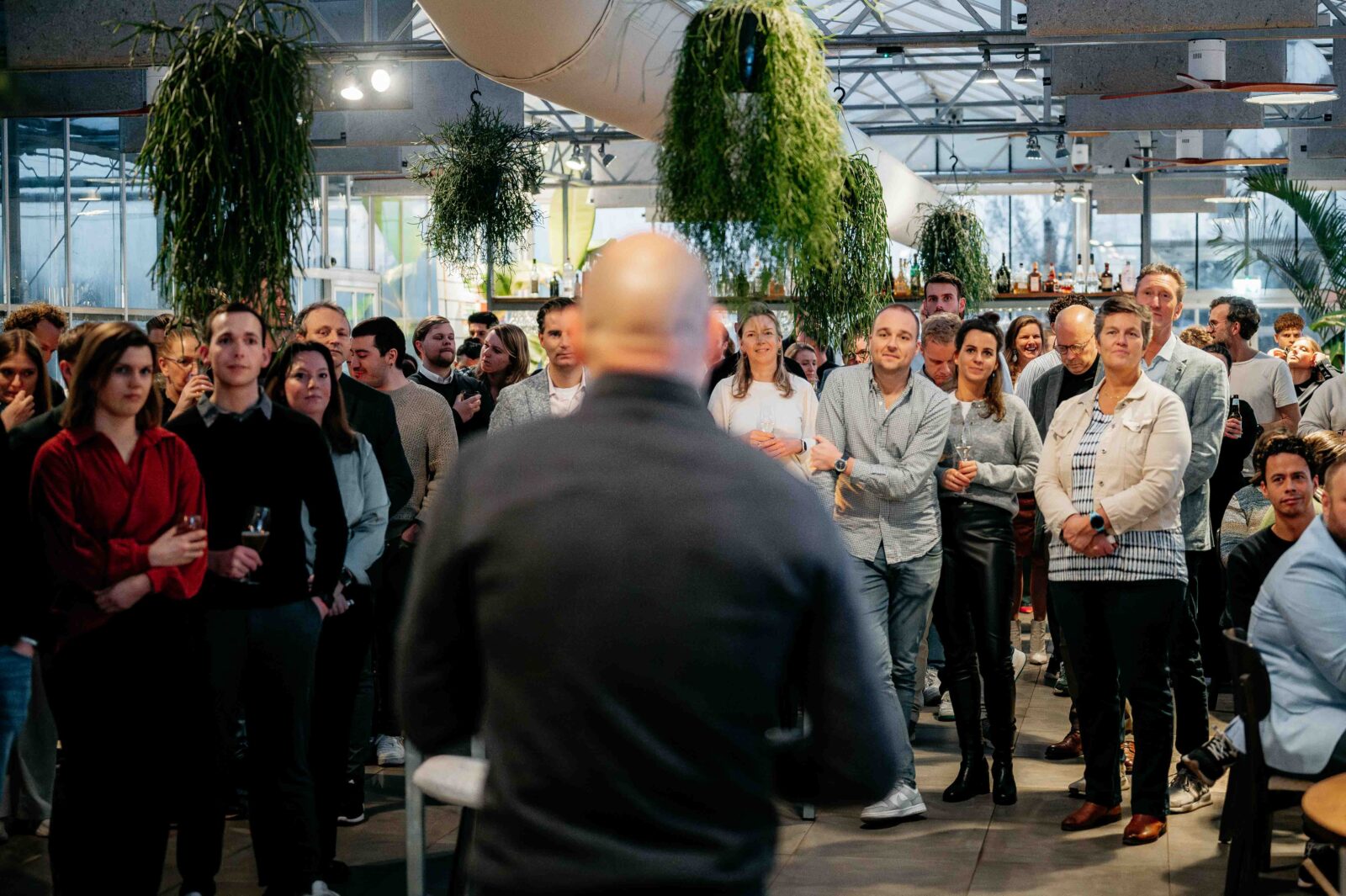

Hello from the CEO
2025 was the first full year of executing LINKIT’s renewed strategy. When did you feel this year: “this is no longer just a plan, this is really happening”?
I had several of those moments. During the Clubday Updates, we saw the real impact of what we do for our clients. You see the IND moving forward faster with the Decision Maker app, enabling them to comply with regulations and better address migration challenges. It’s great to see local entrepreneurs in Ethiopia ordering beer through an app built by our Explorers. And shortly after launching OS Agent Workbench, discovering together with a client what added value it can bring.
All examples of how we help clients keep up with technological progress and close the gap. Those concrete examples make it tangible. The more explicit connection to the strategy in how we share this across the organization also makes that same strategy come alive.
“In 2025, we laid the groundwork for bigger work ahead: helping large organizations and governments keep up with technological progress. A clearer proposition, cleaner execution, and numbers that show it works.”
After defining a sharper direction in 2024, this year was about putting that strategy into practice: in client conversations, in how we position ourselves, and in how we organize delivery. When strategy met reality, what turned out differently than expected?
Not necessarily an assumption from the new strategy itself. But we did see that we underestimated how much work it takes to truly bring our people and clients along in the full breadth of the outcome-driven propositions we offer.
It takes time. Repetition. Refinement, and reflection.
Telling the story well and powerfully in every conversation is harder than it looks. That’s also where we still need to sharpen: making our positioning clearer and more consistent, so that clients immediately understand the value we bring.
Looking back, which first step turned out to be more important than it seemed at the time?
It may sound simple and obvious, but the trainings we invested in to better uncover the client’s underlying question are essential. We already had Explorer Skills Labs, where all Explorers develop skills to strengthen their commercial awareness. But in 2025, our commercial teams also learned a great deal from these efforts.
You can now clearly see the difference. They truly embrace the mindset, and it improves the quality of conversations with clients. At the same time, we developed our own personal leadership program. That investment strengthens ownership and reflection across the organization. Not just commercially, but culturally.
With a clearer positioning, we are asking different questions in client conversations. What does that require from our people, beyond their formal roles?
It requires more listening. Truly understanding the deeper pain of the client, and recognizing what type of conversation partner you’re facing, requires curiosity and patience.
Next to that, it’s important to share experiences internally. If we don’t reflect together on what we hear in the market, we miss the opportunity to collectively learn and grow.
Execution is never a straight line. What did this year require from you personally as a leader, and when did you have to adjust course?
I had to continue to listen carefully and identify where uncertainty still exists. Then sharpening the message, sometimes making choices, but above all, engaging in dialogue.
In Germany, we had to make significant adjustments in 2025. This was not only due to a project that wasn’t running smoothly, with considerable financial impact, but also because of an issue that had been simmering for some time at a level we were not satisfied with. Back to the drawing board. Fortunately, we are now seeing different signals coming from Germany.
Later in 2025, we also decided to clarify and optimize where we want to play as an organization.
Where does it still feel uncomfortable?
Despite making strong progress in standardizing our project approach and professionalizing through a project office, we see that we still need to gain much more experience in building solutions under our own direction and with fully autonomous teams. We’re not there yet. We must make sure we truly learn from it, as long as we manage expectations well toward our clients.
When did you feel proud? Not because of a result, but because of how it was achieved?
The way we quickly made Agentic AI our own and took it to clients, positioning ourselves as thought leaders in this field. The result — actually getting started with clients (and discovering where the critical attention points lie) — is fantastic. But seeing multiple colleagues dive into this with such energy was great to witness.
If 2025 was about laying the foundation, what will define real progress in 2026? Especially in how clients experience LINKIT?
Progress means succeeding in entering new and existing organizations at a different level, and uncovering the IT challenges where LINKIT can play a role. Progress also lies in growing our workforce of LINKIT Explorers. We need everyone’s help in achieving this together with the recruitment team.
We must continue to make time for innovation within LINKIT. For developments that may become relevant for our clients, and for internal improvements that ensure we remain a place where Explorers enjoy working and helping other organizations move forward.
For clients, it should be clearly noticeable that we can support them with additional IT capacity, deep expertise, and the development of strong solutions. Preferably in a smart combination. If you look at the new logos we added in 2025, the important tenders we won and our measured client satisfaction, I believe we are on the right track.
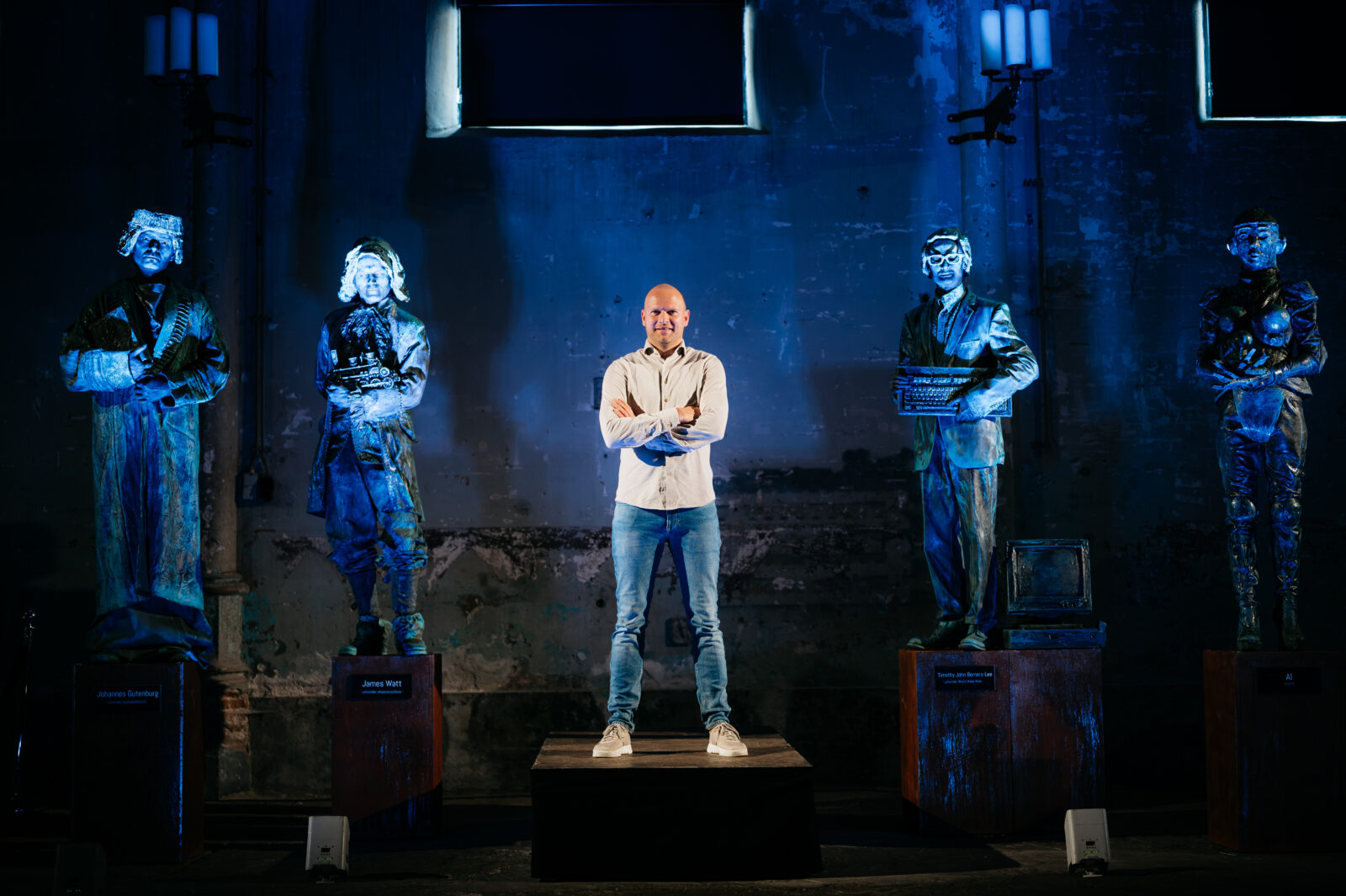


Our organization
The value we create for our clients and stakeholders is rooted in the combined strength of our people, expertise, partnerships, and technological innovation.
Our core values
Our culture and way of working are built on five core values that shape how we collaborate, innovate, and deliver value to our clients.


Our approach
We create value at organizations such as InsingerGilissen, Robeco, Lidl and various public sector clients by combining talent, technology, and execution power.
Combining thought leadership within our focus areas and a broad, well-established ecosystem, this provides both us and our clients with the strength and flexibility to scale — whether in a single project, a dedicated team or a long-term strategic IT partnership. This ecosystem of IT professionals has been trusted by our clients in both the private and public sector for many years.
Our approach is built around three complementary pillars.
By integrating these capabilities, we support clients from strategy to realization, translating ideas into practical, future-proof solutions.
Business automation
Helping organizations work smarter by improving and digitizing their processes, enabling them to operate more efficiently and respond faster to change.
Our 4D model
To ensure consistent quality and impact, we work according to our 4D model: Discover. Design. Develop. Drive.
Discover
Understanding the real challenge and ambition behind every question.
Design
Shaping a clear and scalable solution architecture.
Develop
Building robust, secure, and future-ready solutions.
Drive
Ensuring adoption, performance, and measurable impact.
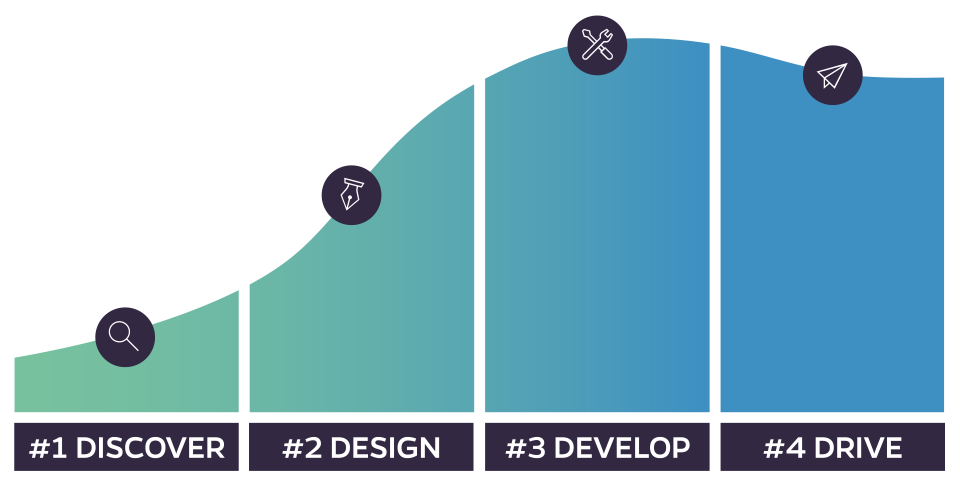

This structured yet flexible approach enables us to move from concept to lasting value.
Our ambition
We focus on strengthening our position as a trusted digital partner while enabling sustainable growth for our clients and our organization.
Strengthening our digital expertise
We continue to deepen our capabilities in low-code, cloud, data and AI — not as isolated technologies, but as integrated building blocks for scalable digital solutions. By investing in knowledge development, certification and applied innovation, we ensure that our expertise remains relevant in a rapidly evolving technological landscape. In 2025, this translated into a further professionalisation of our project-based delivery. The introduction of a Project Office and Technology Board strengthened execution quality, resulting in improved and more predictable margins on project engagements. Client satisfaction on newly started projects reached an average score of 8.2. Our focus remains on delivering impact through applied expertise combining technology, execution power and structured delivery.
Expanding our ecosystem
Sustainable growth requires strong partnerships. We maintain active collaborations with a broad network of technology partners and vendors. In 2025, our partnerships with OutSystems (Premier Partner) and Mendix (Silver Partner, Focus Partner and Delivery Excellence Partner) were further strengthened. These collaborations extend across marketing, sales, knowledge sharing, events and joint proposition development. In addition to technology partnerships, we continued to expand and deepen collaborations in areas such as communities, tenders, security, AI, market developments and societal impact. Together, these partnerships strengthen our ecosystem and enhance our ability to deliver scalable and relevant solutions to our clients.
Sector-focused growth
We continue to sharpen our positioning within selected industries to better understand sector-specific challenges, regulatory environments and digital maturity levels. This enables us to engage clients at a more strategic level and move beyond generic IT support. In 2025, this focus was reflected in both the strengthening of existing client relationships and the addition of new clients within targeted sectors such as Finance, Insurance, Logistics, Retail and Manufacturing.
Within the public sector, LINKIT maintained and further strengthened its position as a top-3 supplier within central government IT frameworks. The continuation of key agreements, including with the Dutch Tax Authority and the Ministry of Foreign Affairs, provides stability and long-term continuity. Beyond the public sector, we expanded our position with clients such as KLM, Kyndryl and ASML, not primarily through volume growth but through diversification of services and increased share of wallet.
In addition, we welcomed over 20 new clients, including Royal Swinkels, NS, Schiphol Nederland and UMC, supported by a more focused approach combining ICP targeting, structured outreach and our 4D delivery model. Sector focus strengthens our relevance, supports long-term client relationships and enables more targeted and sustainable growth.
Innovation and R&D
With the strategy launched in 2025, LINKIT strengthened its focus on long-term relevance in a rapidly evolving IT landscape. Innovation is not limited to technology, but also includes how we organise our services, collaborate within our ecosystem and respond to changing client needs. To support this, a dedicated R&D team (4 FTE) was established. Structured processes and prioritisation frameworks were introduced, distinguishing between internal improvements (H1) and service-related innovations (H2).
In 2025, the focus was on building structure, conducting targeted research and supporting strategic choices, including the definition of our Ideal Customer Profile (ICP). This resulted in the implementation of several innovations and laid the foundation for increased output.
In 2026, the focus shifts towards scaling impact. Internal innovations will be more embedded across teams, while the R&D team will increasingly focus on developing scalable propositions and strengthening LINKIT’s market position.
People & Talent Development
Our growth ambitions depend on attracting, developing and retaining scarce IT talent. We invest in long-term employability through leadership development, continuous learning and strengthening ownership across the organization. By fostering resilience and professional growth, we ensure sustainable performance for both our people and our clients.
Responsible & Sustainable Impact
We aim to contribute to digital resilience in the Netherlands and beyond. This includes strengthening cybersecurity awareness, supporting clients in building robust digital infrastructures and embedding ESG considerations in our own operations. Sustainable impact is not positioned as a separate initiative, but as a responsibility integrated into how we operate and grow.
International Growth
LINKIT aims to expand its international footprint through a combination of local presence and nearshore delivery from South Africa. In 2025, efforts focused on strengthening our position in Germany and the United States, while scaling our South African delivery capability.
In Germany, a renewed market approach showed initial results, but insufficient follow-up and underperforming projects led to a restructuring towards a leaner organisation focused on new business. In South Africa, growth in consultant capacity remained limited due to lower-than-expected demand, while the local market provided a stable utilisation base. In the United States, we progressed through the final phase of market exploration, building on an initial project to expand our client base. Towards the end of 2025, early signs of renewed international demand became visible.
In 2026, the focus remains on strengthening demand generation and execution, while further developing the combination of local and nearshore delivery to enable scalable growth.
Our stories
Red Cross: Improving volunteer coordination at scale
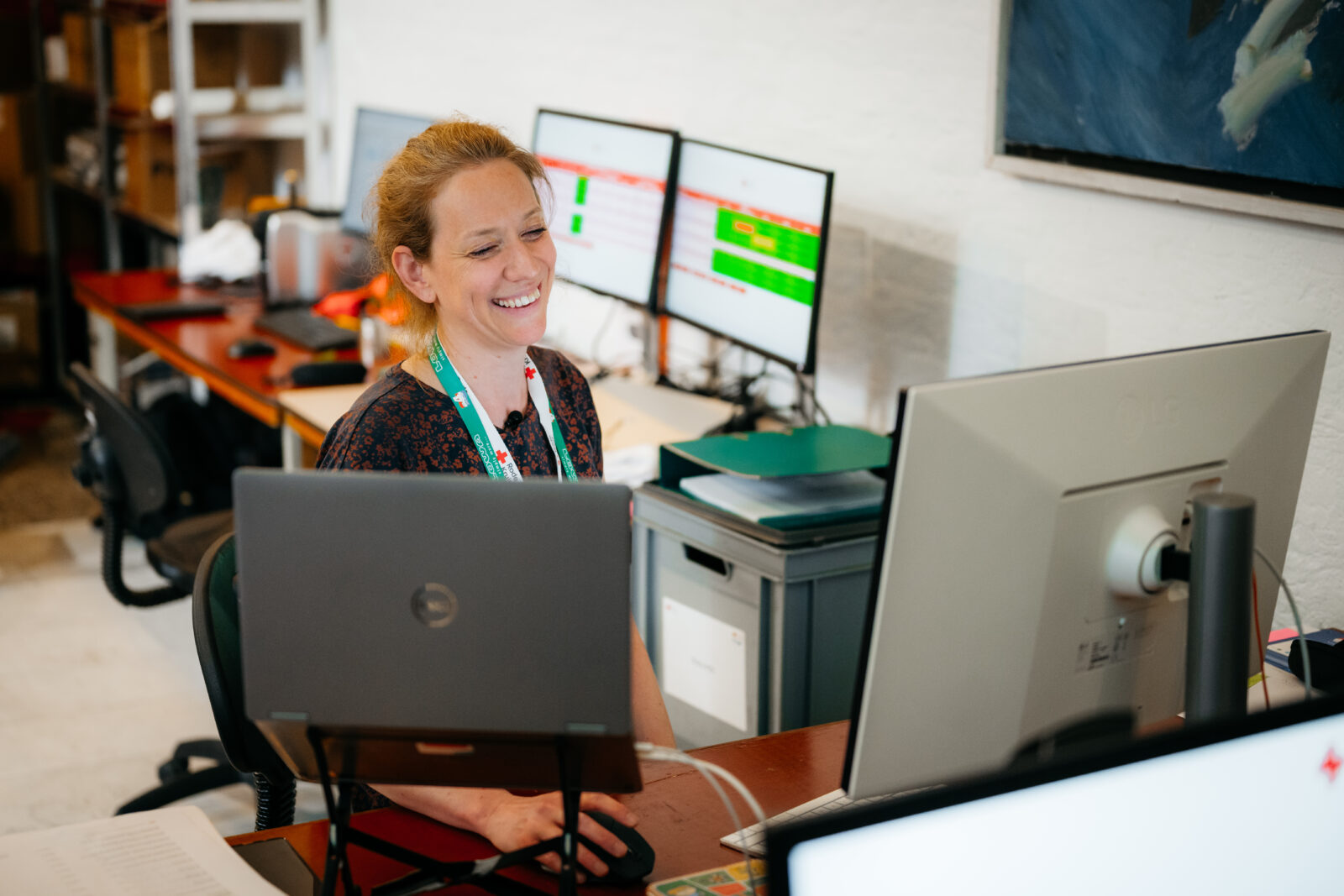



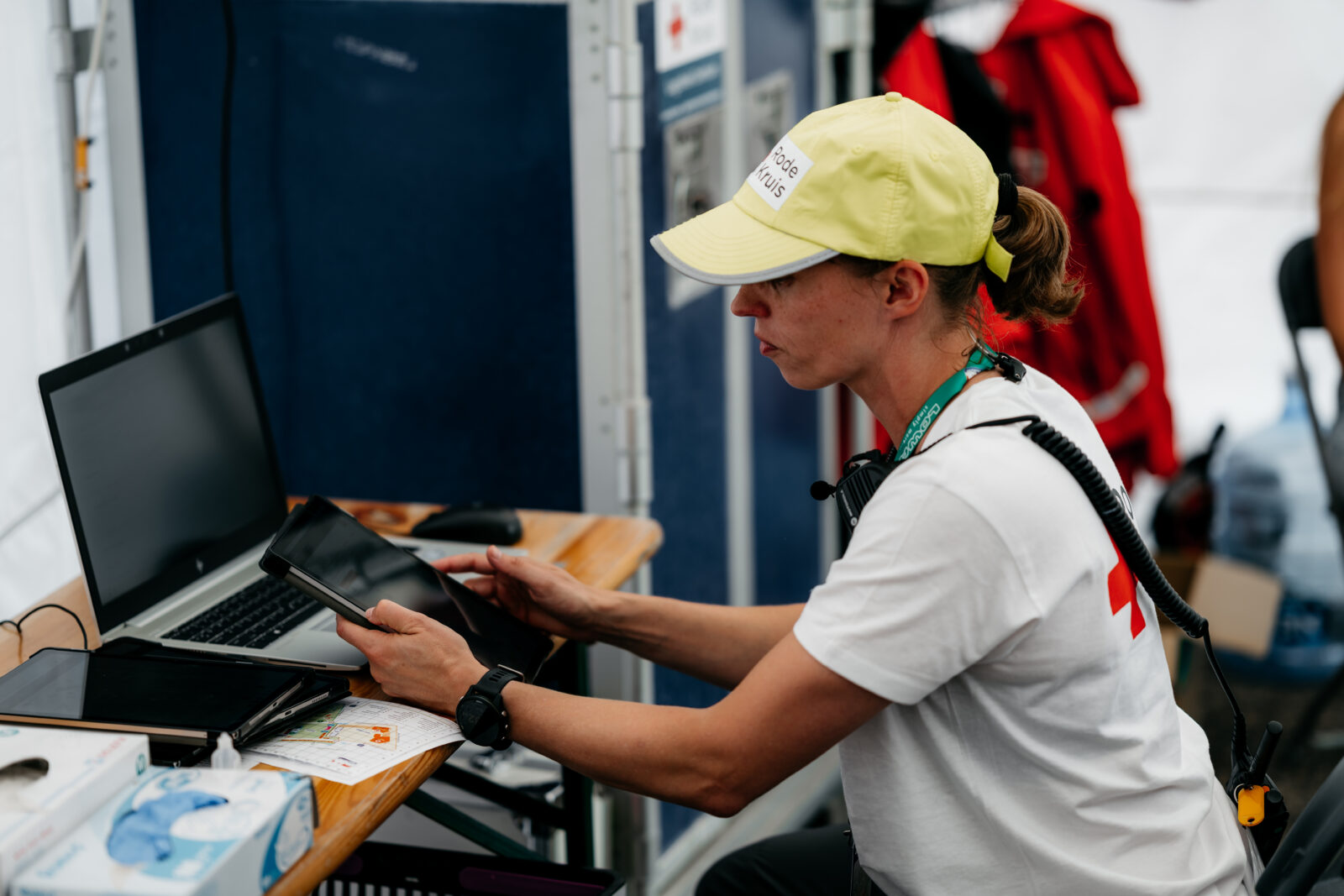

We developed a new digital solution for volunteer and event planning. The previous approach relied heavily on spreadsheets and manual coordination, making planning complex and time-consuming.
The new platform brings structure and clarity. It helps teams plan volunteers more efficiently, reduces errors, and provides better insight into availability and assignments. As a result, planners spend 75% less time coordinating. The solution also improves collaboration and creates a solid foundation for future growth. Read the case here (externe link)
Results

Bayport: Supporting financial inclusion across Africa
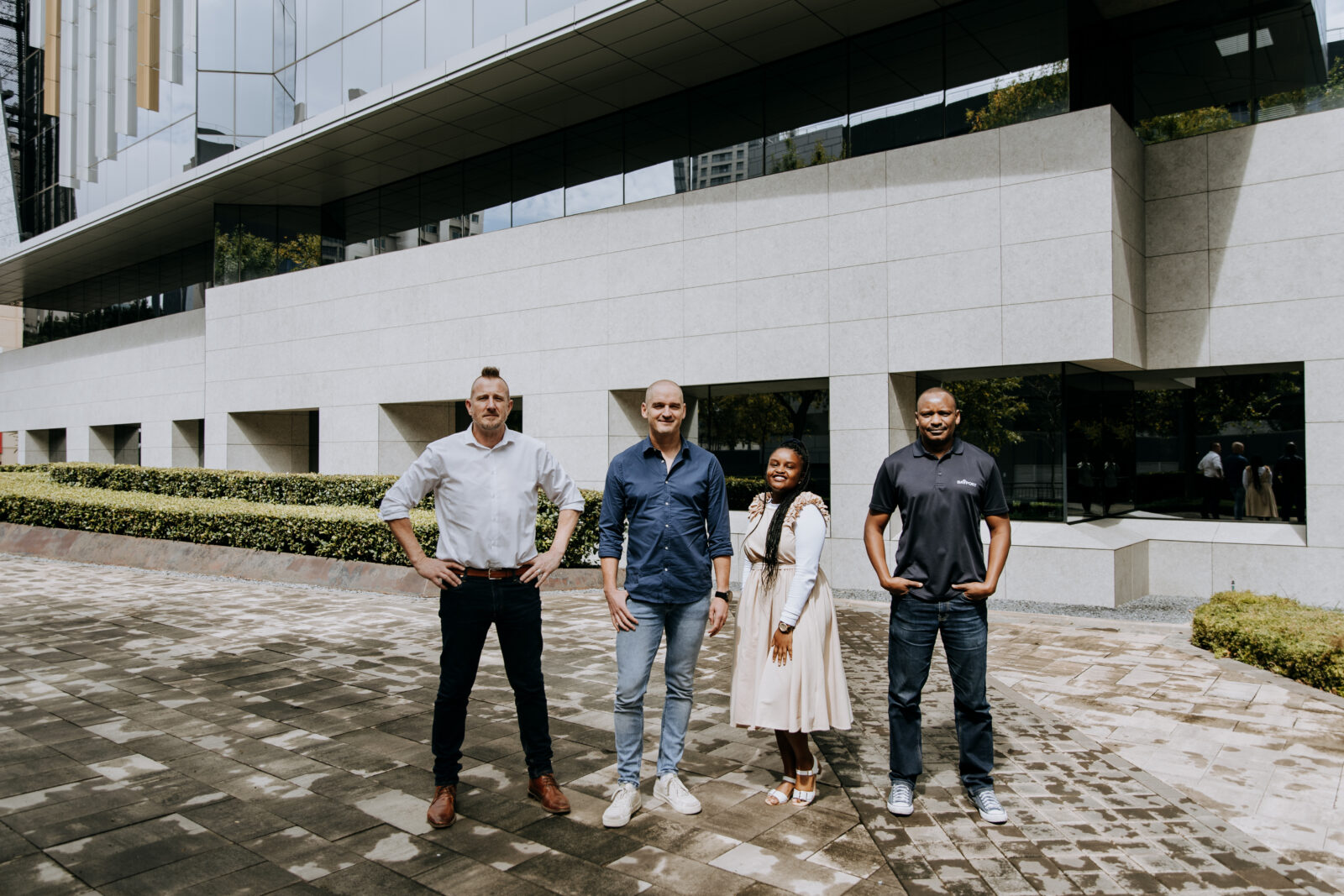





To support further growth and operational consistency, a new digital platform was introduced. Gradually replacing paper-based workflows with a structured solution.
The system enables faster customer onboarding, reduces errors, and improves alignment across countries. By working with reusable components that can be adapted per market, the platform supports expansion while maintaining stability. This strengthens the organisation’s mission to increase financial inclusion in underserved regions. Read the case here (externe link)
Results

CargoCast: Keeping cargo moving with modernised transport planning
Efficient transport planning is essential in a fast-moving logistics environment. A new Transport Management System (TMS) was introduced to replace a legacy setup that limited flexibility and growth.
The updated platform brings automation and real-time insight into daily operations. It enables faster planning, improves coordination, and increases visibility across the supply chain. With a modern foundation in place, the organisation can scale more confidently and respond quickly to change. Read the case here (externe link)
Results


Domains
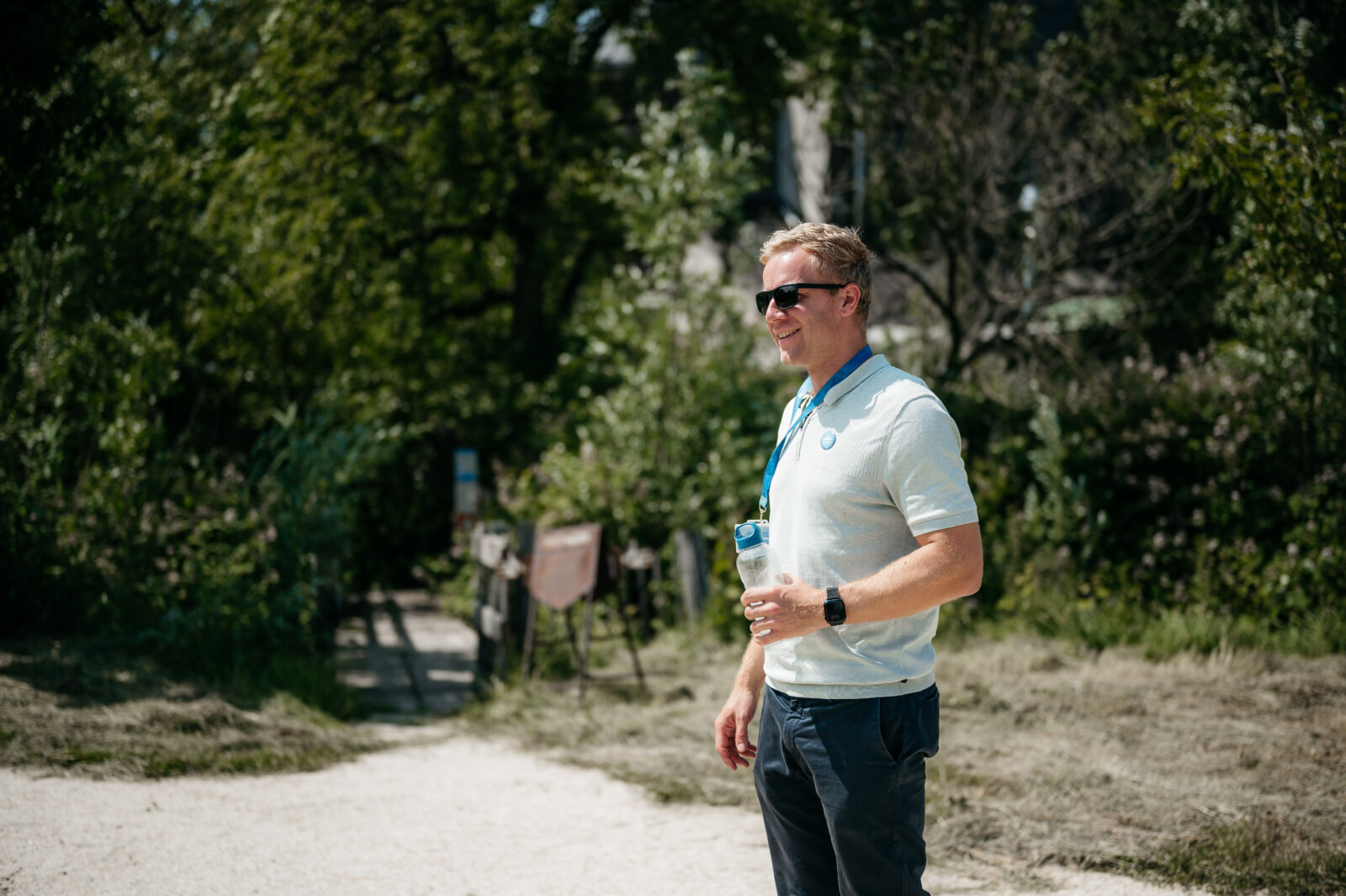

Positioning
___________
Gino Heetkamp – Chief Marketing Officer
In 2025, positioning was defined by sharper choices. We critically reassessed our target audience, sector focus, and propositions to create more clarity and direction. Our commercial focus shifted towards larger organisations with longer decision-making cycles, necessitating a more strategic, value-driven approach.
Throughout the year, we strengthened our propositions and made clearer choices about where we add measurable value. Strong client cases, such as the Red Cross, helped translate our expertise into tangible proof. Marketing developed further as a strategic partner to the business, working closely with New Business, Accountmanagement, and R&D to ensure consistency in our story and direction.
The key lesson from 2025 is that focus drives impact. In 2026, we will continue to build on this through a deliberate Account-Based Marketing approach: less broad, more intentional, and firmly aligned with our strategic priorities.
“Strong positioning starts with clear choices. When we know where we truly make a difference, we can communicate that with confidence.”
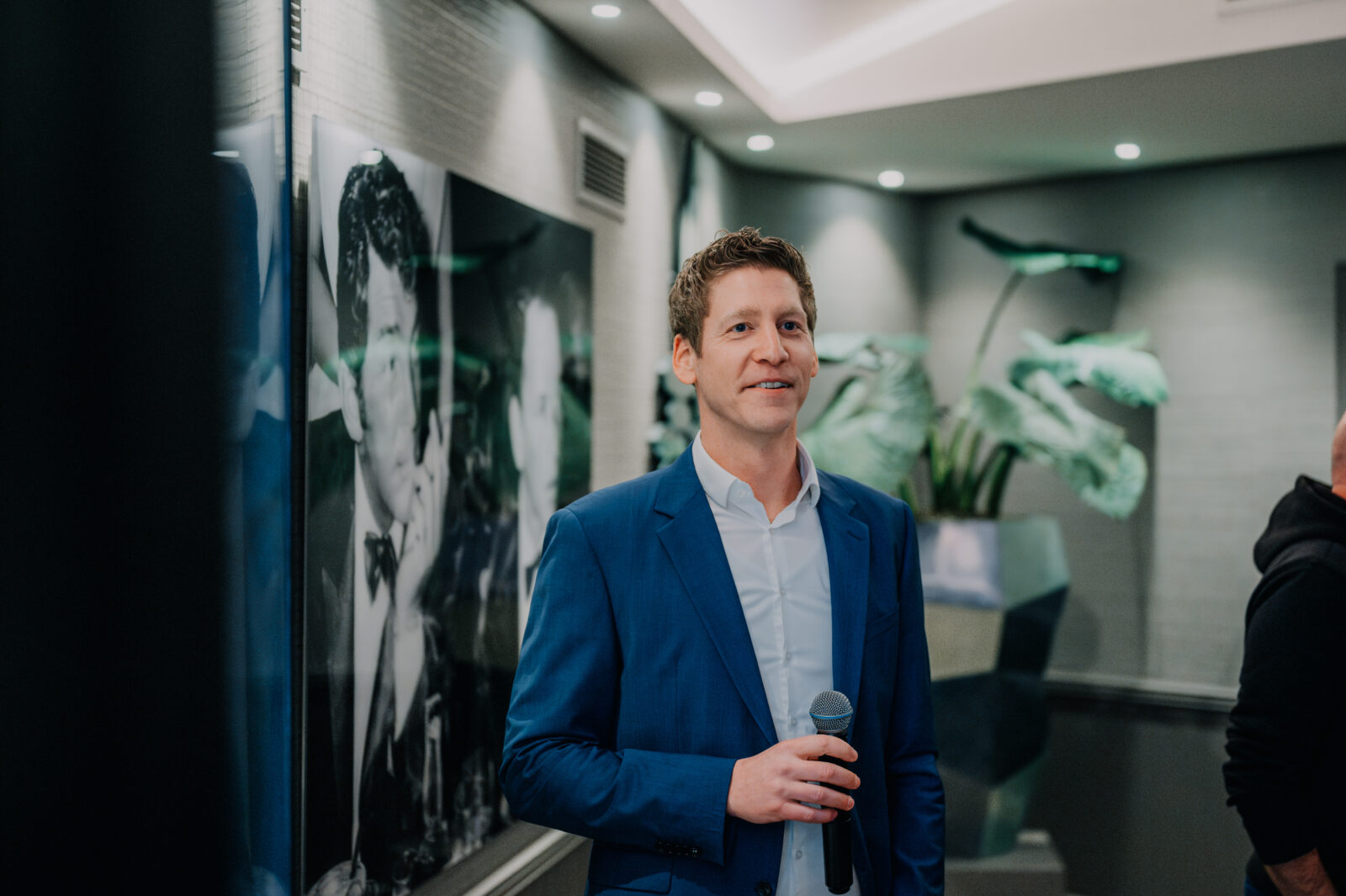

Growth
___________
Ronald Schrijver – Chief Growth Officer
The launch of our 2025–2028 strategy marked a clear shift in direction for LINKIT. The focus moved from defining ambition to embedding it in the organisation and translating our strategic pillars into structure and ownership.
We strengthened our foundation by establishing R&D as a dedicated function and sharpening our approach to New Business. By separating commercial focus from Delivery and Innovation, we created more clarity in how we bring our value propositions to market and build long-term strategic accounts.
A key milestone was defining our ambition for 2028: to build a portfolio of 50 strategic clients where we create substantial impact. By making deliberate choices in the organisations we serve, we ensure growth is focused, aligned, and sustainable. With clear pillars in place and a shared direction, the next step is to turn strategy into measurable impact.
“Growth is about making deliberate choices that strengthen our long-term impact.”
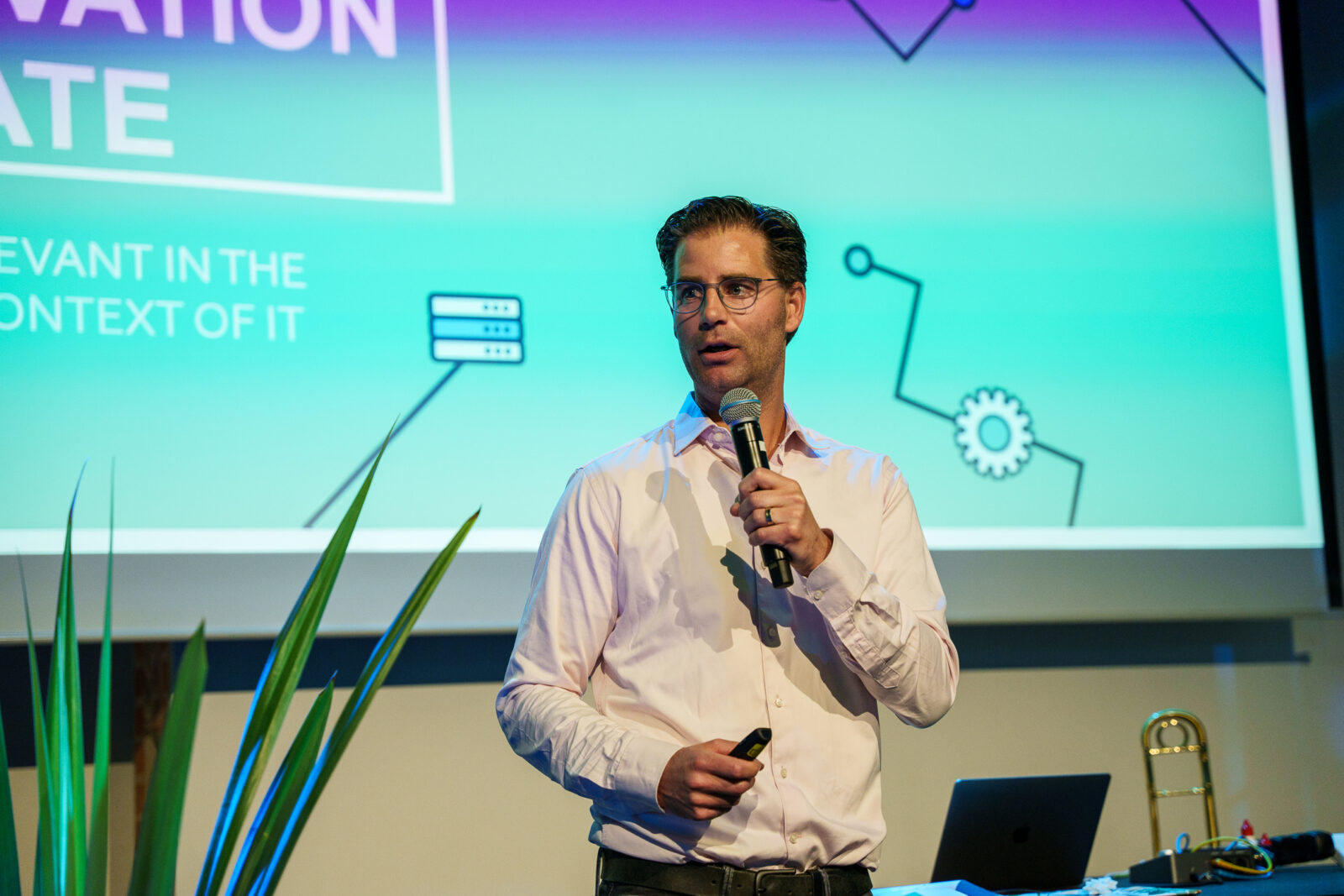

Delivery
___________
Daan de Groof – Chief Sales Officer
Creating measurable value became the defining theme of this year. Clients increasingly expect more than strong execution, they expect clear business impact. Across Staffing, Business Automation, and IT Modernisation, projects evolved into more integrated trajectories, combining expertise to address complex, cross-functional challenges.
To support this shift, we strengthened our 4D model as the foundation of our approach. By starting with Discover and Design before moving into Develop and Deliver, we ensure that we define the right value before building solutions. This integrated way of working brings Sales, Business Consultants, architects, and developers together as one aligned team, bridging strategy and technology.
Looking ahead, we will continue to embed the 4D model across all propositions and further expand our expertise in generative and agentic AI. The ambition remains clear: consistently translating technology into sustainable business value.
“Delivery is not about executing projects, it is about making strategy tangible and creating impact that lasts.”


Technology
___________
Yasmin Koers – UX Designer
The rapid rise of AI defined much of this year, bringing new possibilities from faster prototyping to smarter automation. But also a key challenge: how do we use AI without losing critical thinking or focus on the actual problem? The question of whether we are solving the right problem for the user has always been central, but the temptation to use AI simply because it is new, fast, and widely available has grown. As a result, solutions are sometimes driven by the technology itself, or problems are shaped to fit it. At the same time, AI enables non-designers to quickly create high-fidelity prototypes, often skipping essential design thinking steps and leading to feedback focused on visuals rather than whether the functionality truly meets user needs.
What defines our squads is the ambition to find the best solution, not simply the newest or quickest one. Under time pressure, it can be tempting to move fast, but quality still requires preparation, collaboration, and a clear understanding of user needs. New technology must always be combined with critical thinking and a clear focus on user value.
“New technology should be part of the solution when appropriate, not the starting point or the goal in itself.”
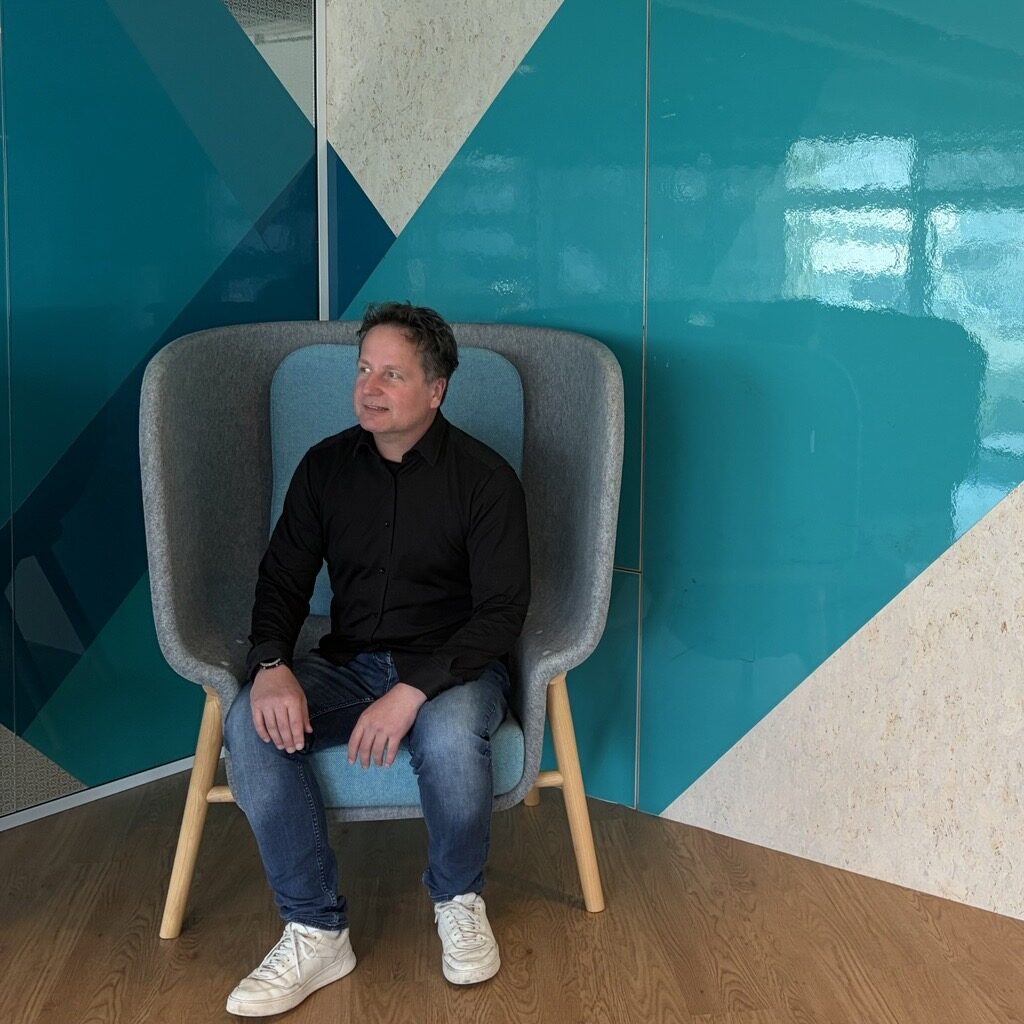

People
___________
Michiel de Wit – Teammanager recruitment
Over the past year, the People domain moved even closer to the business. By positioning ourselves as both a strategic partner and a thought leader in people and work, we strengthened our contribution to the organisation’s development. At the same time, we continued to build efficient processes while maintaining a pragmatic mindset.
The focus was on optimising the balance between technology, processes, and people. Several people-related initiatives and tools were further implemented, creating a stronger foundation for development and collaboration across LINKIT.
Looking ahead, the ambition is to further strengthen collaboration across all parts of the organisation and beyond. And to continue building an environment where people can thrive.
“Our real impact lies in helping people grow, because when individuals develop, the organisation grows with them.”

Innovation
___________
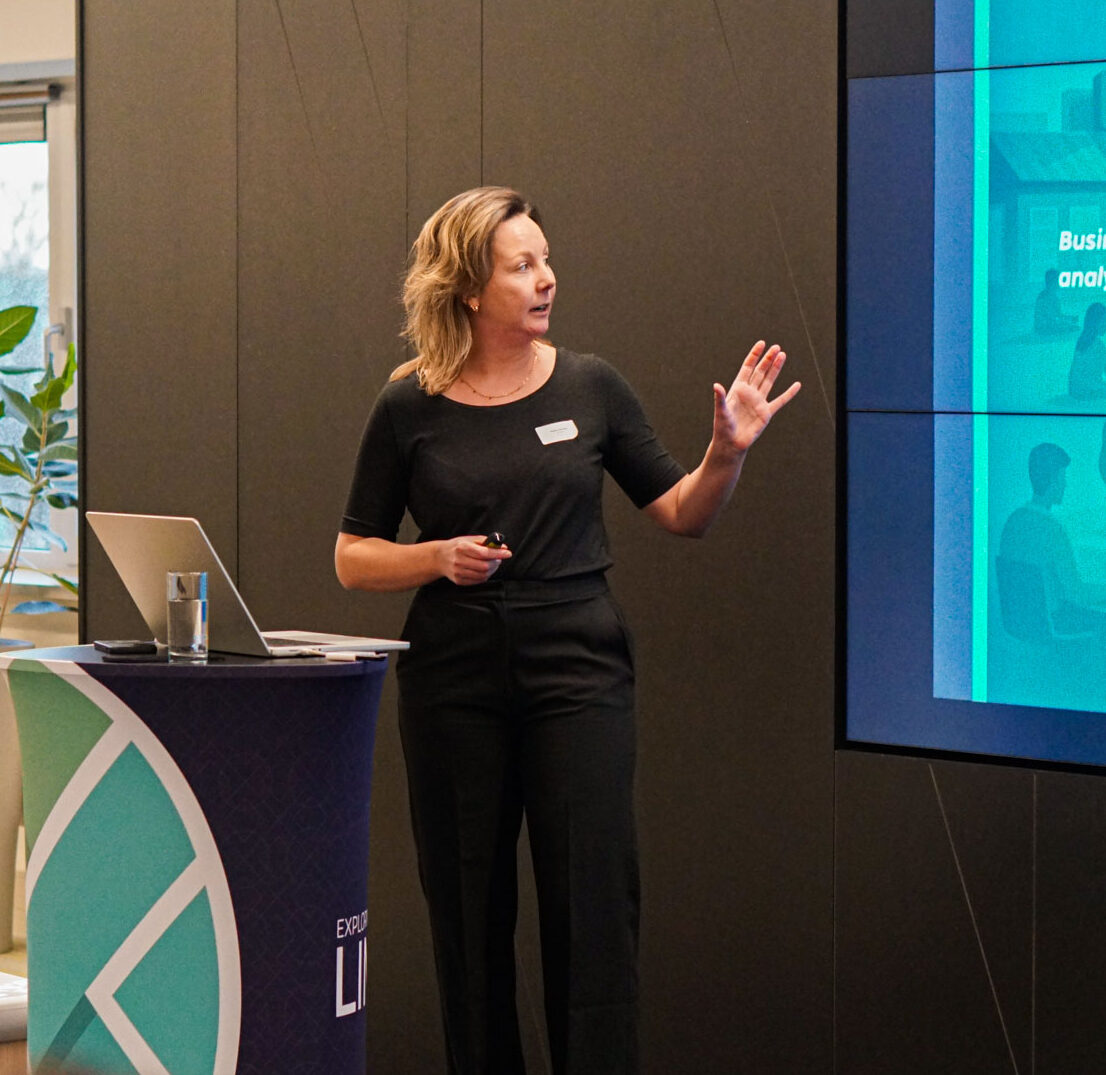
Maaike Stoops – Head of R&D
Technology continues to evolve at a rapid pace. AI, digital sovereignty, evolving regulations, and increasing security demands create both opportunities and uncertainty. At the same time, many organisations struggle to find the right IT talent to adapt in a structured and sustainable way.
In 2025, LINKIT launched its Research & Development department to remain adaptive and relevant. The focus was on building a team and a clear process to translate technological, economic, and societal trends into practical outcomes. Research was conducted, ideas were validated with clients, pilots were executed, and an AI vision was embedded in our services and internal processes.
To create focus, priorities were set in close cooperation with public and private clients and guided by the Dutch digital strategy. Internal data and market research provided insight into shifting demand and required skills within the Dutch staffing market. Collaboration with OutSystems and Mendix further strengthened our propositions around low-code and (Agentic) AI.
In 2026, collaboration with clients and partners will intensify further. By working closely together, we aim to ensure that LINKIT and organisations in our ecosystem remain prepared for what comes next.
“Innovation is not about chasing trends. It is about making deliberate choices that keep us relevant and resilient in a fast-changing market.”


Sustainability Statement
The week after we set our reduction targets, we sat down with one of our key clients to discuss them. The client had already defined their own ambitious climate goals and wanted to explore how we could align our efforts. And specifically, what does it mean for the people we assign to support their organization?
That discussion was an important moment for us. It reinforced that sustainability does not stop at organizational boundaries. It is about our role in the value chain. About how we, as an IT provider, contribute to our clients’ ambitions. And about how our colleagues – every single day – are part of that impact. We believe that as an IT provider, we have a responsibility. Technology accelerates progress — but also energy consumption and resource use. That reality calls for conscious decisions.
“Sustainability does not stop at organizational boundaries. It is about our role in the value chain. About how we, as an IT provider, contribute to our clients’ ambitions. And about how our colleagues – every single day – are part of that impact.”
In 2025, we formally established our reduction targets: net zero for Scope 1 and 2, and Scope 3 aligned with the Paris Agreement. That is an ambitious commitment, and intentionally so. But what matters most is what it means in practice. It means we look more critically at how we work. How we travel. How we design and manage IT environments. And how we advise clients on more efficient and sustainable solutions. It also means having honest conversations about staffing, mobility and how projects are structured. That requires something from all of us.
We are still at the beginning of this journey. Our Green IT initiatives have deliberately started small. Over the past year, we have primarily focused on building insight and strengthening our internal foundation. We have launched research into the environmental impact of our infrastructure and are currently developing two tools to help us measure and manage that impact more effectively. First strengthening internally, so that we can speak and act externally with credibility.
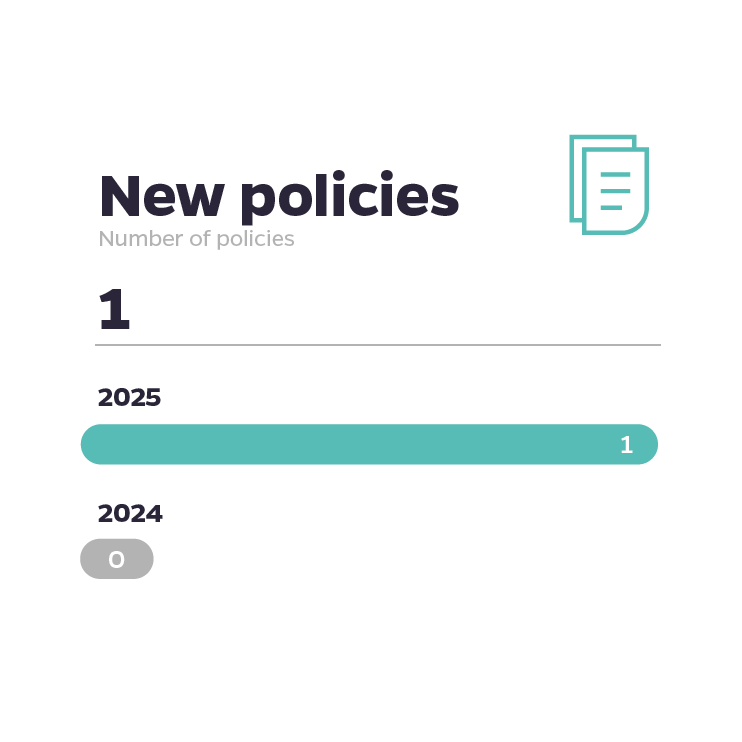
At a policy level, we are also taking steps. ESG criteria are not yet fully embedded in our procurement processes, but the first policy adjustments have been prepared and will be implemented in 2026. That may be less visible than a major project or certification, but it is just as important. Structural change requires structural anchoring.
At the same time, sustainability is increasingly part of commercial conversations. Clients expect their partners to contribute to their ambitions. Organizations that take this seriously are not only contributing to a better world, but also strengthening their own long-term competitiveness. Taking responsibility and building a competitive edge are not conflicting goals; they reinforce one another.
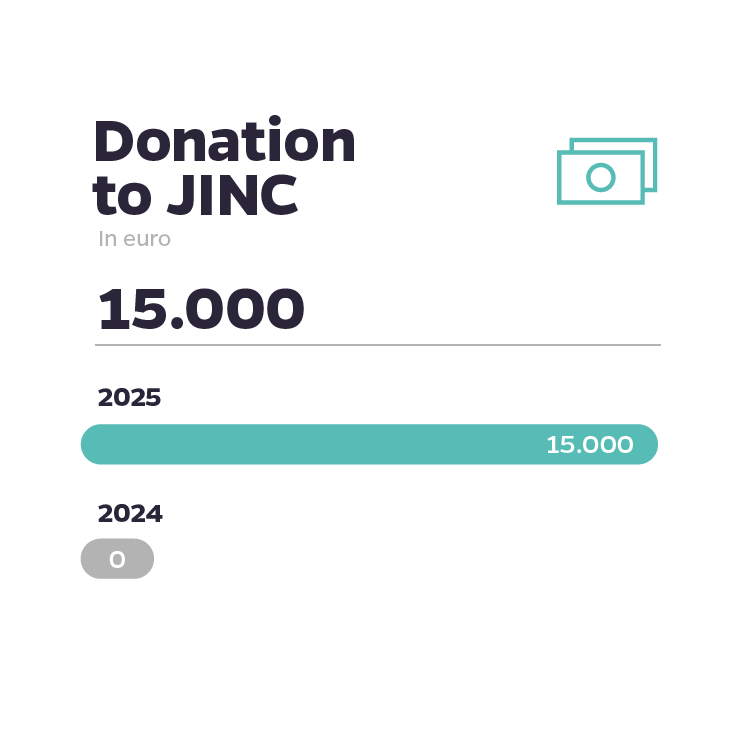
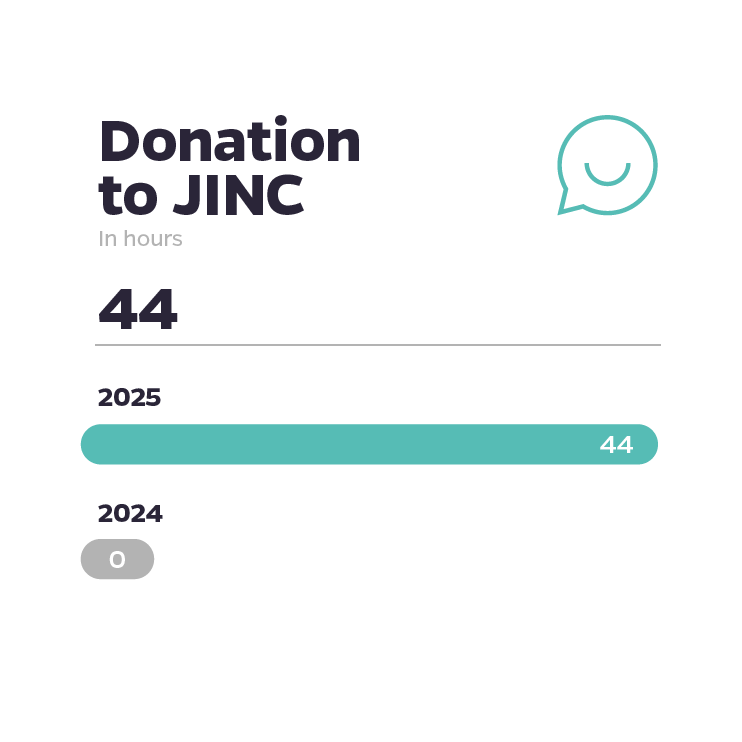
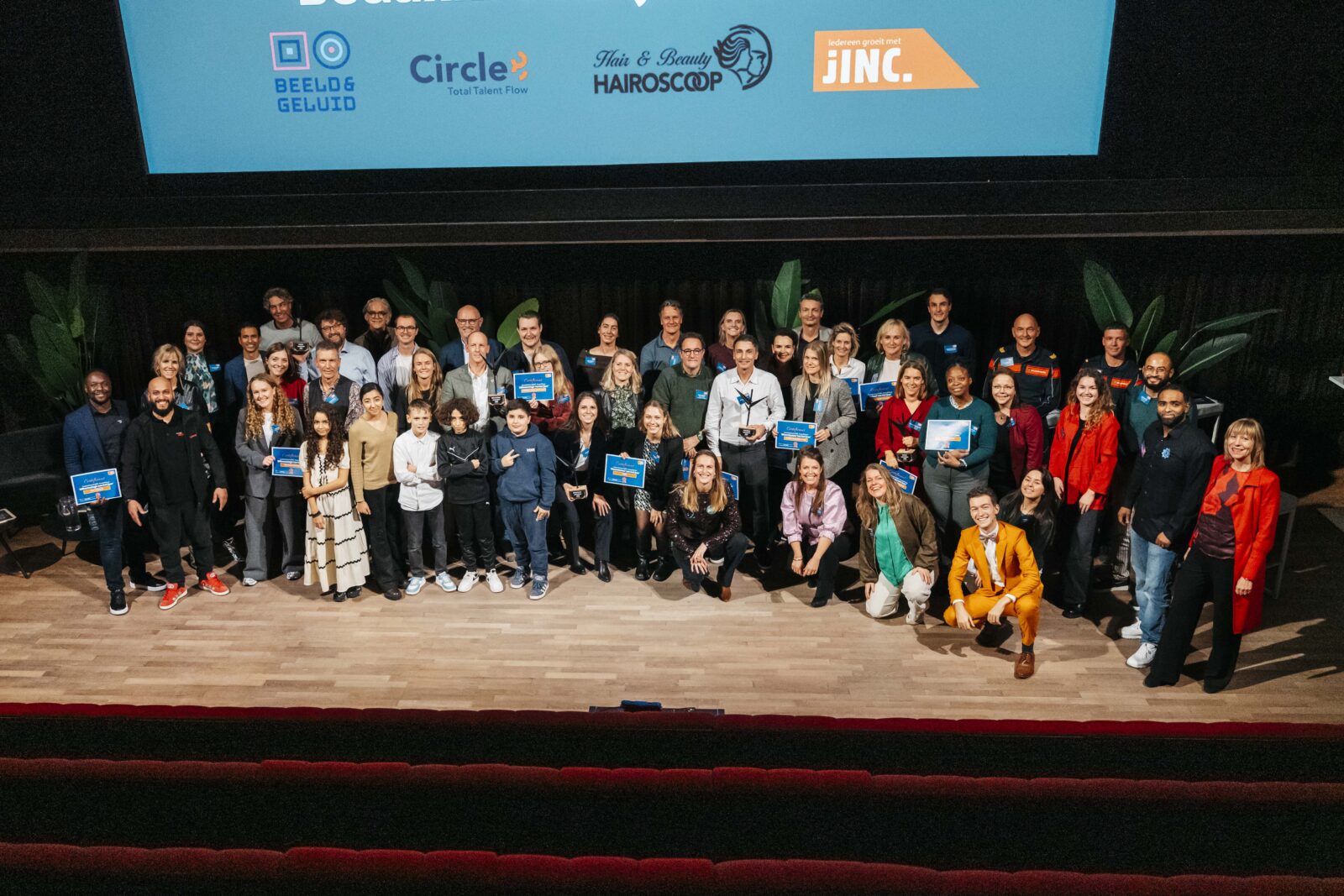
Sustainability, for us, also extends beyond carbon reduction alone. In 2025, we started our partnership with JINC. Through two “Bliksemstages” (short work-experience days), we introduce young students to the world of IT. Receiving the Newcomer of the Year award from the children’s jury was a special moment. But more importantly, it reflects our commitment to equal opportunity and widening access to our sector.
Looking back at that first client conversation, I am reminded how quickly ambition becomes reality once it is spoken out loud. From that moment on, it is no longer about intention. It is about execution.
This report shows where we stand. What we have achieved, where we are still learning, and where we aim to accelerate in the coming year. To our clients: please continue to challenge us. And to our colleagues: thank you for your commitment and willingness to adapt and grow.
Emily Soares
Manager Sustainability


Sustainability Statement
_______________
General disclosures
The general disclosures give you an insight in our governance approach, including how sustainability is managed and integrated into our operations. It outlines our business model, value chain, stakeholder priorities, and the processes in place to identify and manage sustainability risks and opportunities.
Basis for preparation
The sustainability statements in this report are prepared on a consolidated basis, covering the parent company, LINKIT enterprise B.V. (“LINKIT”), and its subsidiaries controlled directly by LINKIT. The scope aligns with our financial statements and includes our own operations as well as activities across our value chain, including upstream, downstream, and internal processes.
The application of policies, actions, metrics, and targets varies depending on each topic. Details can be found in the relevant sections of this report.
We report on disclosures related to specific circumstances alongside the relevant disclosures.
Where estimates have been used, the methods and any associated uncertainties are detailed in the relevant sections of this report.
Any future restatements will be reported alongside the relevant data and determined based on their significance.
Management responsibilities
Diversity of the Advisory Board and Board
Information on the diversity of the Advisory Board and Board, including the gender breakdown of both groups, is provided in the Social section of this report.
Advisory Board
Our 2025 Advisory Board consists of three members, including two women and one man. This group provides independent strategic guidance and oversight to the Board. The Advisory Board’s role is to advise on key decisions, monitor long-term goals, and ensure alignment with our corporate objectives. Members of the Advisory Board are appointed based on their expertise and experience, and they support the Board in fulfilling their responsibilities.
Board
The Board is responsible for the day-to-day operations and strategic decision-making of LINKIT. Comprising six members, the Board sets the direction for the company, implements strategies, and ensures the achievement of business goals.
Heads of Departments
The Heads of Departments oversee specific business units or functions within the organization. Each Head of Department brings in-depth expertise to their respective areas, ensuring operational effectiveness and alignment with corporate goals. They report directly to the Board and play an essential role in driving key projects.
Team Leads
Our Team Leads are responsible for executing day-to-day operations within their respective teams, supporting the broader strategic initiatives set by the Board and Heads of Departments. They are key in implementing initiatives on the ground and ensuring that goals are met across the business.
Oversight of sustainability IROs
The oversight of sustainability-related Impacts, Risks and Opportunities (IROs) is embedded within the Board, with final decisions made by the Board based on the relevant data and expert input. Business conduct policies are reviewed regularly to ensure alignment with our sustainability objectives and regulatory requirements.
The following blocks outline the role of management in controlling and overseeing sustainability IROs and their integration with other internal functions.
Executive Management
The Group CEO is ultimately responsible for overseeing the non-financial reporting, including sustainability matters. Alongside the Board, the CEO ensures that the sustainability strategy is aligned with our long-term objectives.
Manager Sustainability
The Manager Sustainability is responsible for maintaining visibility over LINKIT’s sustainability IROs. The manager ensures that these are consistently monitored, updated, and reported, including the collection of non-financial data.
CSR Team
This cross-functional team includes the CEO and representatives from The team is responsible for collecting sustainability data, setting goals, and defining actions in line with the company’s sustainability strategy. The CSR Team ensures that sustainability risks, opportunities, and impacts are effectively monitored and addressed.
Group Finance
Group Finance handles the preparation and reporting of LINKIT’s financial statements. They ensure that financial data is aligned with sustainability considerations where relevant, particularly in relation to the integration of non-financial performance into the overall reporting structure.
Group HR
Group HR manages disclosures on social matters, including diversity and employee well-being, and reports this data to the Manager Sustainability for integration into sustainability reports.
Manager Quality & Security
Our Manager Quality & Security focuses on identifying and managing sustainability-related risks from a security and data protection perspective. This includes ensuring compliance with data privacy regulations, particularly in relation to sustainability data, and integrating security measures into the broader sustainability strategy.
Expertise available
The expertise for managing sustainability IROs comes primarily from the Manager Sustainability, who is responsible for integration across the company. LINKIT also relies on external consultancy for guidance on CSRD implementation and compliance. In addition, LINKIT leverages support functions as well as external advisors for specialized knowledge on sustainability topics.
Addressing sustainability matters within LINKIT
The organization, through our CEO, is kept informed on a quarterly basis, with sustainability matters addressed in both strategic reviews and daily operations. The CSR Team plays an active role in overseeing these topics, ensuring that sustainability risks, opportunities, and impacts are consistently monitored and reported.
The key processes for addressing sustainability matters include:
Q1: Annual reporting
In the first quarter, the Board reviews and approves the Annual Report. This report provides stakeholders with an overview of sustainability progress, policies, actions, and related metrics or targets.
Q2: Gap analysis
The Board and the CSRD Team analyze the gaps between our current performance and established sustainability goals, defining long-term priorities.
Q3: Target update
We update our sustainability goals based on the latest data and insights. As we learn from our ongoing initiatives, we monitor if our targets remain ambitious yet achievable.
Q4: Reporting updates & impact review
During the fourth quarter, the CSR team reviews updates on the material IROs, assessing how they impact the reporting scope. The team ensures all relevant disclosures and data points are included in the data collection process. Additionally, the CSR team reviews the actions taken this year and sets its goals for the next.
Our full workforce stays informed on sustainability initiatives through quarterly updates in our Clubday Update and newsletter, ensuring transparency across the company.
Incentive schemes
There are currently no formal incentive schemes, related to sustainability performance, in place at LINKIT. We focus on integrating sustainability into our overall business strategy and monitor our performance through regular reporting and oversight by the Board and the CSR Team.
Sustainability reporting risk management
Following our pre-implementation of CSRD in 2023, we have strengthened our internal control systems for sustainability reporting in 2025 while staying adaptable to the evolving regulatory environment brought on by the omnibus laws. Our expanded internal controls aim to minimize risks related to data accuracy, completeness, and compliance, and are reviewed regularly in close collaboration with our internal data owners.
Our primary risk remains data availability from our value chain, where we lack direct control, so our CSR Team is mapping out Scope 3 data requirements and building robust collection processes. As regulations evolve, we will refine our approach to external assurance to ensure full transparency and accountability.
Strategy, business model and value chain
LINKIT delivers business automation, IT modernization and staffing solutions for a wide range of clients, including private enterprises and public institutions. Our value chain spans upstream suppliers, our own operations, downstream clients, and broader outcomes, ensuring the delivery of high-quality digital solutions.
Read more about our business (externe link, opent in nieuw tabblad)
Our material IROs are primarily located within our own operations, for example, relating to our workforce. These operations are the foundation of our business model, driving the success of both our IT staffing services and project delivery.
In our upstream value chain, key dependencies include talent acquisition and suppliers of software that enable us to build and deliver our solutions. Downstream, our value chain encompasses the implementation of IT solutions by our clients, as well as the environmental impact of decommissioned hardware and resource use. Our business model and sustainability strategy are shaped by these dependencies, which are carefully considered during our DMA.
Interests and views of stakeholders
Staying connected with our stakeholders is essential to remaining relevant and effectively aligning our strategy with their expectations and needs. Our key stakeholders include employees, clients, and suppliers. Their insights help shape our strategy and drive targeted improvements in our operations.
Each year, we conduct a comprehensive context analysis led by the Manager Quality & Security. This analysis examines changes in our market, customer expectations, legislation, and broader DESTEP factors. The results are presented to the Board during the Management Review. Based on these insights, necessary adjustments are made to our strategy and policies. Additionally, we continuously gather feedback through our LINKIT (Contractor) Survey, which is sent out during and after each assignment to assess the quality of our professionals and services.
For our DMA, we conducted additional research, including an employee survey, a supplier and customer survey, and a sustainability analysis of our client base. Based on this research, we identified our material topics that influence our strategic decisions and how we create value within our organization and value chain.
Within our own operations, we have started taking concrete steps to integrate sustainability structurally. We have signed the Diversity, Equity, and Inclusion (DE&I) Charter and implemented a DE&I policy, we offer employees an open training budget and provide continuous security awareness training. Additionally, we have set a maximum CO₂ emissions threshold for leased cars and we invest in well-being initiatives and confidential advisors to nurture a healthy and safe working environment.
Within our value chain, we are making progress in embedding sustainability. Currently, we do not have sustainability criteria for our upstream suppliers, but we have begun developing a sustainable procurement policy. In our downstream activities, such as IT staffing and projects in business automation and IT modernization, we aim to experiment with sustainable solutions that drive technological advancement while also considering social and environmental impact.
In addition to the annual context analysis and Management Review, sustainability is explicitly discussed once a year in the meeting between the Advisory Board and the Board. The CSR Team monitors progress and reports updates to the management team, while all employees are kept informed on a quarterly basis via our Clubday Update and Bits & Bytes events. This ensures that stakeholder interests are not only considered in policymaking but are also translated into our daily operations.
Key stakeholders
Staying relevant in the rapidly evolving IT landscape is a priority to us. To achieve this, we seek input from our key stakeholders, whose insights and expectations shape our strategy and actions.
| Stakeholder Group | Why we engage | How we engage | Created value |
|---|---|---|---|
| Explorers and future Explorers | (1) Professional growth and career development. (2) Employee well-being and engagement. (3) Retaining talent and fostering innovation. (4)Ensuring alignment with LINKIT’s culture and values. | (1) Performance and development dialogues. (2) Employee surveys, including the annual sustainability survey. (3) Well-being initiatives, and training programs. (4) Clubday, quarterly updates (Bits & Bytes) and open-door management approach. | (1) Career growth, learning, and professional development opportunities. (2) Ensure employee wellbeing and safe work environments. (3) Enhanced job satisfaction and well-being . |
| Clients (public, private) | (1) Value creation and trust. (2) Enable clients to address goals and targets. (3) Supporting clients in business automation, IT modernization and staffing. | (1) Formal and informal engagement throughout the client relationship. (2) LINKIT Survey to assess professional performance . (3) Tailored IT staffing and project-based solutions. | (1) Improved operational efficiency and digital transformation for clients. (2) Long-term, trusted relationships built on quality and expertise. |
| Suppliers and Business Partners | (1) Ensuring high-quality IT solutions and services. (2) Long-term partnerships and supply chain resilience | (1) Formal contracts and partnership agreements. (2) Irregular supplier evaluations and collaboration meetings | (1) Stable and reliable supply of IT resources and solutions. (2) Strong and transparent business relationships |
| Shareholders | (1) Transparency and accountability in business performance. (2) Ensuring financial growth and risk management. (3) Aligning sustainability goals with long-term profitability | (1) Annual Management Review. (2) Shareholder updates and financial reporting. (3) Advisory Board meetings | (1) Informed decision-making through transparent reporting. (2) Risk mitigation and strategic alignment with market trends |
| Civil-society and end users | (1) Ensuring digital accessibility and ethical IT solutions. (2) Addressing societal expectations on data protection and security | (1) Compliance with industry standards and regulations. (2) Collaboration with public institutions on digital initiatives. (3) Engaging in security awareness and responsible IT practices | (1) High-quality, secure, and accessible digital solutions. (2) Trust and credibility in LINKIT’s role as a responsible IT partner |
Double materiality assessment result
LINKIT’s identified IROs are directly linked to our core business model, which focuses on IT consultancy, services, and digital transformation. The material topics identified in this assessment are closely tied to our internal operations and extend to key stakeholders, including employees, clients, end-users, and suppliers.
The material environmental IROs relate to the company’s resource consumption, carbon footprint, and responsible procurement. LINKIT operates in a low-emission sector compared to industries with direct production footprints, but its digital infrastructure and hardware use contribute to environmental impacts, including energy consumption and e-waste generation. We now actively mitigate these risks through maximization of car emissions and responsible waste management practices. However, the negative environmental effects of digital infrastructure extend beyond LINKIT’s operational boundaries, as global IT resource consumption and emissions are systemic challenges.
From a social perspective, LINKIT’s material IROs largely revolve around employee well-being, diversity, and the ethical use of digital technologies. Sector-specific challenges, such as high workload, skills shortages, and inclusion gaps, are potential risks affecting workforce sustainability. To address these, LINKIT prioritizes talent development, dedicating a significant portion of employee time to upskilling and certifications. Additionally, ethical data management remains a core focus, ensuring compliance with evolving regulations and protecting user privacy. Our services contribute positively by driving digital inclusion and supporting public and private sector digital transformation.
The financial materiality of these IROs is reflected in LINKIT’s risk exposure and resilience. Compliance with IT security standards and data protection regulations minimizes legal and financial risks. Investment in employee retention and training strengthens long-term competitiveness, reducing recruitment costs and enhancing service quality. The growing demand for sustainable IT solutions also presents market opportunities, reinforcing LINKIT’s strategic positioning.
As part of its evolving materiality assessment process, we are integrating ESG risk management into our governance structures, ensuring that sustainability is embedded in decision-making. The ongoing assessment of material IROs ensures that LINKIT remains proactive in identifying and addressing emerging risks while leveraging opportunities for sustainable growth.
Double materiality assessment process
We conducted our first DMA in 2023, facilitated by an external consultancy to ensure compliance with CSRD requirements. The methodology for assessing material IROs was developed in a structured, multi-phase process, integrating stakeholder engagement and expert analysis.
The assessment began with an extensive brainstorming session. During this session our team reviewed a broad list of 26 sustainability topics, derived from ISO 26000 and ESRS topics, to determine the most relevant themes for our company. Following this, a stakeholder mapping exercise identified the key stakeholders with the most influence on us, as well as those most affected by the company’s operations.
We then conducted a structured stakeholder analysis through interviews and surveys. This gave insights on which sustainability topics are most critical for stakeholders and their expectations of LINKIT in these areas. Based on these findings and the outcomes of the initial workshop we developed an impact-materiality matrix, highlighting the most material sustainability topics.
The final DMA was conducted in a second session, where the material themes were established, reviewed, and approved by LINKIT’s Board. This process ensured alignment with ESRS 1 (Article 16) and other relevant regulatory frameworks.
The CEO, in collaboration with the Board and the CSR Team, managed the DMA process, supported by external advisory expertise. We centralized the development of the DMA methodology and its execution to maintain consistency in scoring, thresholds, and stakeholder insights. To properly understand the CSRD legal framework, the Board and CSR Team received a comprehensive walkthrough of the DMA methodology, thresholds, process, and findings before final approval. We review the DMA annually and it is expected to evolve with new data and insights. This includes reassessing the factors and inputs from the previous year’s DMA to refine LINKIT’s materiality analysis over time.
In preparing for its first ESRS-aligned sustainability disclosures, LINKIT evaluated all requirements on a datapoint-by-datapoint basis, mapping and documenting all material disclosures in our annual report. Non-material data points were also carefully assessed to ensure relevance, regulatory alignment, and decision-usefulness for stakeholders.
1. Identifying key sustainability themes
Using a comprehensive list of 26 sustainability topics, based on ISO 26000 and ESRS topics, LINKIT’s team conducted a brainstorming session to determine the most relevant themes for the company.
2. Stakeholder mapping
We analyzed a long list of stakeholders to identify those with the greatest influence on the company, as well as those most impacted by its operations.
3. Stakeholder analysis
Through interviews and surveys, LINKIT engaged with its stakeholders to understand which sustainability themes they consider most important and what expectations they have for LINKIT in these areas.
4. Impact-materiality matrix development
Based on the stakeholder analysis and insights from the initial workshop, a preliminary selection of the most significant sustainability themes was made. These were then visualized in the impact-materiality matrix.
5. Double materiality assessment and approval
In a second workshop, LINKIT conducted a formal Double Materiality Analysis (DMA) to confirm the material themes. The results were reviewed and approved by the Board.
1. Identifying key sustainability themes
Using a comprehensive list of 26 sustainability topics, based on ISO 26000 and ESRS topics, LINKIT’s team conducted a brainstorming session to determine the most relevant themes for the company.
2. Stakeholder mapping
We analyzed a long list of stakeholders to identify those with the greatest influence on the company, as well as those most impacted by its operations.
3. Stakeholder analysis
Through interviews and surveys, LINKIT engaged with its stakeholders to understand which sustainability themes they consider most important and what expectations they have for LINKIT in these areas.
4. Impact-materiality matrix development
Based on the stakeholder analysis and insights from the initial workshop, a preliminary selection of the most significant sustainability themes was made. These were then visualized in the impact-materiality matrix.
5. Double materiality assessment and approval
In a second workshop, LINKIT conducted a formal Double Materiality Analysis (DMA) to confirm the material themes. The results were reviewed and approved by the Board.
Policy overview
Below you can find our most significant policies that help us manage our impacts, risks, and opportunities.
| Policy | Description of key contents | Scope of policy | Accountable for implementation | Internationally recognised instruments | Availability |
|---|---|---|---|---|---|
| Employee Manual | (1) Outlines our measures for a healthy, safe workplace and happy employees. (2) Encourages respectful interactions and prohibits discrimination or harassment. (3) Establishes transparent compensation structures and fair reward policies. (4) Encourages continuous professional development through training and roadmaps. (5) Recognizes leave types, public holidays and special leave for significant personal events. (6) Supports hybrid and flexible working arrangements. (7) Ensures compliance with privacy laws and protection of personal data. (8)Provides clear procedures for reporting misconduct, security or privacy incidents. | Group | Head of HR | Internal intranet | |
| Diversity, Equity & Inclusion (DE&I) Policy | (1) Ensures equal opportunities for all. (2) Builds an inclusive culture. (3) Contributes positively to societies we operate in. (4) Recognises and respects individual identities. (5) Promotes social sustainability in communities served. (6) Increases representation of underrepresented gender in managerial roles. | Group | Head of HR | Internal intranet | |
| Whistleblower policy | (1) Provides a safe and confidential reporting channel for employees and stakeholders to report: suspected misconduct, unethical behaviour, legal violations. (2) Ensures all reports are taken seriously, investigated thoroughly and handled with the utmost confidentiality. (3) Protects whistleblowers from retaliation. | Group | Head of HR | General Data Protection Regulation (GDPR) | Internal intranet |
| Information Security Policy | (1) Ensures availability of critical applications and information to support seamless operations. (2) Maintains data integrity to enable accurate decision-making and trustworthy reporting. (3) Protects confidentiality of personal data in compliance with privacy regulations. (4) Safeguards competitively sensitive information of LINKIT and its customers. (5) Implements security measures to prevent unauthorized access, data breaches, and cyber threats. (6) Reinforces employee responsibility in handling sensitive information securely. (7) Aligns with industry best practices and legal requirements for data protection. | Group | Manager Quality & Security | Internal intranet | |
| IT Code of Conduct | (1) Ensures professional and responsible use of ICT resources (2) Raises awareness of security threats and promotes cyber safety. (3) Requires compliance with LINKIT’s information security policy and directives. (4) Stresses confidentiality when processing personal data. (5) Sets expectations for responsible online behavior to protect company reputation. (6) Requires reporting of data breaches and security incidents promptly. (7) Reinforces that information security is a shared responsibility across the company. | Group | Manager Quality & Security | Internal intranet | |
| Data Privacy Policy | (1) Ensures protection and confidentiality of personal data. (2) Outlines collection, use, storage, and security of personal data. (3) Complies with relevant data protection laws. (4) Upholds the highest data security standards. | Group | Manager Quality & Security | (1) ISO 27001. (2) ISO 27018. (3) General Data Protection Regulation (GDPR). | Internal intranet |
| Screening Policy | (1) Ensures integrity, reliability, and security in the hiring process. (2) Outlines screening procedures, including background checks such as Certificate of Good Conduct (VOG). (3) Complies with GDPR and other relevant data protection regulations. (4) Applies different screening levels based on job roles and security requirements. (5) Maintains confidentiality and ethical handling of candidate data. | Group | Manager Quality & Security | General Data Protection Regulation (GDPR) | Internal intranet |


Sustainability Statement
_______________
Environmental
From vision to structural climate ambition
In 2025, LINKIT defined its long-term climate ambition. The formalisation of our emission reduction targets marks a structural shift in how we approach environmental responsibility.
We have committed to achieving Net Zero for Scope 1 and 2 by 2035 and to reducing Scope 3 emissions in line with the Paris Agreement 1.5°C scenario, SBTi-aligned. With these targets, climate mitigation is no longer an intention; it is a defined trajectory with a clear time horizon.
These commitments stand on their own. At the same time, they influence our broader strategic choices: from mobility and procurement to supplier engagement and innovation priorities.
2025 was therefore a year of direction-setting and foundation-building. We strengthened insight into our value chain emissions, embedded climate considerations further into governance, and prepared the policies and data structures required for execution.
The coming years must translate this ambition into measurable reduction.
Policies
In 2025, LINKIT formalised its long-term climate ambition:
-
Scope 1 and 2: Net Zero by 2035
-
Scope 3: Reduction in line with the Paris Agreement 1.5°C scenario, SBTi-aligned
These targets provide clarity and serve as a reference framework for investment decisions, mobility policies and supplier engagement.
With targets now defined, the development of a formal Environmental Policy has been initiated. This policy will structure responsibilities, governance, monitoring and alignment with our broader ESG framework.
Climate-related risks are incorporated into enterprise risk management and discussed at Board level, ensuring alignment between environmental ambition and strategic oversight.
Key themes
Climate change mitigation
Mitigation is the central focus of our environmental strategy. In 2025, we mapped nearly all Scope 3 emissions for the first time using a spend-based methodology. As expected, Scope 3 represents the majority of our total emissions, largely driven by IT procurement and supplier-related activities. While the methodology has limitations in accuracy, it provides the necessary baseline for targeted reduction strategies.
Climate-related risks
Climate transition risks are increasingly relevant to LINKIT. These include:
-
Regulatory tightening at EU level
-
Increased client demands for demonstrable emission reductions
-
Supply chain vulnerabilities
-
Reputational risks linked to transparency expectations
By formalising targets and embedding climate in governance structures, we strengthen our resilience against these risks.
Growth versus absolute reduction
A structural tension remains between organisational growth and absolute emission reduction. As a growing company, total emissions may increase even when efficiency improves. This requires disciplined choices in mobility, procurement and supplier engagement to prevent growth from undermining long-term climate objectives.
Data quality and value chain dependency
The spend-based Scope 3 methodology provides breadth but not precision. Measuring IT-related emissions remains complex. Additionally, a significant portion of our reduction potential depends on supplier progress. This limits direct control and increases the importance of dialogue and collaboration in the value chain.
Green IT and strategic positioning
Sustainability has been embedded in our innovation agenda. Investments in Green IT aim to support more energy-efficient IT architectures and lower value chain emissions. This positions environmental performance not only as a compliance topic but also as a strategic opportunity.
Actions we’ve taken this year
In 2025, we focused on strengthening structure and insight:
-
Formalised climate targets towards 2035
-
Mapped nearly all Scope 3 emissions using a spend-based approach
-
Integrated climate considerations further into governance and decision-making
-
Prepared the implementation of a revised travel policy
-
Initiated development of a formal Environmental Policy
These actions lay the groundwork for measurable reductions in the coming years.
Focus 2026
In 2026, the emphasis will shift from structuring to implementation:
-
Further alignment and refinement of targets in line with the Paris Agreement
-
Formal adoption and implementation of the Environmental Policy
-
Implementation of a robust Scope 3 data model with clearer emission source insights
-
Active roll-out of the new travel policy
-
Increased engagement with suppliers to support Scope 3 reduction
The objective for 2026 is to move from defined ambition and improved insight to demonstrable emission reduction progress.
Energy consumption and mix
The energy consumption and mix figures presented here are based solely on our Netherlands business activities, the largest share of our operations, as we work to complete the full scope of LINKIT enterprise.
| Energy consumption and mix (MWh) | 2024 | 2025 |
|---|---|---|
| Total energy consumption (MWh) | 361,68 | 385,45 |
| Fossil energy consumption | 283,89 | 303,13 |
| Fossil energy consumption from oil | - | - |
| Fossil energy consumption from natural gas | - | - |
| Fossil consumption in Scope 2 | - | - |
| Renewable energy consumption | 77,79 | 82,29 |
| - Renewable consumption from fuels | 77,79 | 82,29 |
| - Renewable consumption in Scope 2 | - | - |
| Energy production | - | - |
| - Energy production – non-renewable | - | - |
| - Energy production – renewable | - | - |
| Energy intensity | MWh/M€ | |
| - Energy intensity per net revenue | - | - |
Gross Scopes 1, 2 and 3 and Total GHG emissions
| 2024 | 2025 | ΔCO2e (%) | |
|---|---|---|---|
| Scope 1 GHG-emissions | |||
| Gross Scope 1 GHG emissions (tCO₂e) | 30,52 | 31,25 | 2,39% |
| Scope 2 GHG-emissions | |||
| Gross location-based Scope 2 GHG emissions (tCO₂e) | 47,09 | 57,73 | 22,6% |
| Gross market-based Scope 2 GHG emissions (tCO₂e) | - | - | - |
| Scope 3 GHG-emissions | |||
| Total Gross indirect (scope 3) GHG emissions (tCO₂e) | 29.769,32 | 26.101,79 | -12,32% |
| Total GHG-emissions | |||
| Total GHG emissions (location-based) (tCO₂e) | 29.846,93 | 26.190,77 | -12,25% |
| Total GHG emissions (market-based) (tCO₂e) | - | - | - |
Scope 1
Scope 1 covers direct emissions from our own operations, such as fuel in company-leased vehicles or heating in our offices. These are emissions we have the greatest control over, and therefore they’re a primary focus for reduction initiatives.
Accounting principles
Scope 1 greenhouse gas (GHG) emissions refer to the direct emissions from sources that are owned or controlled by LINKIT. Direct GHG emissions comprise the sum of greenhouse gases, which are converted to CO₂ equivalents.
Scope 2
Scope 2 refers to indirect emissions associated with the purchase of electricity, steam, heating, or cooling. Although these emissions occur at the utility provider’s facilities rather than on our premises, they are part of our operational footprint.
Accounting principles
Scope 2 greenhouse gas (GHG) emissions refer to the indirect emissions resulting from the generation of purchased energy that is used by an organization. Scope 2 emissions occur at the facility where the energy is generated, thus being classified as indirect emissions.
Scope 3
Scope 3 includes indirect emissions from our value chain, such as business travel, employee commuting, waste disposal, and procurement. While we recognize the importance of these emissions, we are still in the process of gathering comprehensive data for a full assessment. As we refine our methodologies, future reports will provide more detailed Scope 3 information.


Sustainability Statement
_______________
Social
Talent, engagement and sustainable growth.
LINKIT’s ability to execute its strategy depends directly on attracting, developing and retaining scarce IT talent. In a competitive labour market, people are our primary asset and our most critical dependency.
In 2025, three strategic workforce challenges were central:
-
Attracting scarce IT professionals
-
Retaining high-performing employees
-
Increasing employee engagement
With the roll-out of the renewed organisational strategy, we recognised that sustainable growth requires more than recruitment. It requires leadership development, cultural clarity and proactive wellbeing support.
2025 was therefore a year of strengthening the foundations for long-term talent sustainability.
Policies
LINKIT’s social approach did not fundamentally change in 2025. Our people strategy continues to be built on long-term investment in development, responsible employment practices and societal engagement.
What did change was the strategic context. With the renewed organisational strategy in place, the importance of attracting, retaining and engaging scarce IT talent became even more explicit.
Existing frameworks around performance, development and wellbeing remained in place. In 2025, the focus was not on rewriting policy, but on strengthening execution. It was about applying existing principles more deliberately in light of our strategic ambitions and market realities.
| Policies | Scope of coverage | Working time | Social dialogue | Work-life balance | Health & safety | Gender equality & equal pay | Training & skills development | Measures against violence & harassment | Diversity | Privacy |
|---|---|---|---|---|---|---|---|---|---|---|
| Explorer Guide | X | X | X | X | X | X | X | X | ||
| Diversity, Equity & Inclusion Policy | X | X | X | X | ||||||
| Whistleblower Policy | X | |||||||||
| IT Code of Conduct | X | |||||||||
| Privacy Policy (for personal data) | X | |||||||||
| Hybrid Working Policy | X |
Key themes
Attracting and retaining scarce IT talent
The market for experienced IT professionals remains highly competitive. Growth ambitions and delivery quality depend on our ability to attract and retain the right people.
In 2025, the renewed organisational strategy provided clearer positioning — internally and externally — supporting recruitment efforts. At the same time, retention remains equally critical. Career development, leadership quality and engagement directly influence long-term stability.
Talent scarcity remains a structural market reality rather than a temporary fluctuation.
Leadership and ownership across the organisation
To support strategic execution, LINKIT launched its Personal Leadership Programme for all employees. The programme consists of three modules: Relate, Reflect and Resilience. Many colleagues participated in 2025. The focus is on strengthening interpersonal effectiveness, self-awareness and adaptability.
Leadership at LINKIT is not limited to formal roles. Strengthening ownership and reflection across the organisation directly contributes to engagement, performance and client impact.
From satisfaction to engagement
In 2025, we changed our measurement methodology: from employee satisfaction to employee engagement. This shift reflects a more strategic approach. Engagement provides deeper insight into motivation, commitment and discretionary effort; key drivers of retention and performance. This transition also allows for more targeted interventions in areas where engagement requires strengthening.
Preventive health and wellbeing
A new occupational health service provider was selected in 2025, with increased emphasis on prevention. In a market where workload and performance pressure can be high, proactive wellbeing support is essential to sustainable performance and retention.
Societal contribution
Beyond internal workforce development, we strengthened our societal engagement. In 2025:
-
A structural partnership with JINC was established
-
Two Bliksemstages were hosted
-
LINKIT received the Nieuwkomer van het Jaar award
-
Employees in the Netherlands could voluntarily participate
-
Support for Wensambulance was continued
This reflects our commitment to contributing beyond our core business activities.
Actions we’ve taken this year
-
Rolled out the new organisational strategy
-
Launched the Personal Leadership Programme for all employees
-
Transitioned from satisfaction measurement to engagement measurement
-
Appointed a new occupational health provider with preventive focus
-
Continued and formalised community partnerships
-
Strengthened focus on retention and talent acquisition
The emphasis in 2025 was on structural reinforcement rather than short-term interventions.
What is not yet fully on track
-
Talent scarcity remains a structural challenge
-
Engagement measurement has been introduced, but long-term trend data is not yet available
-
Wage gap analysis has not yet been formally conducted
-
ESG participation is not yet structurally embedded across the organisation
Further formalisation and measurable KPIs are needed to strengthen accountability.
Focus 2026
In 2026, social priorities will include:
-
Further strengthening talent attraction and retention strategies
-
Embedding engagement insights into concrete action plans
-
Exploring formal wage gap analysis
-
Increasing structured ESG participation
-
Continuing investment in leadership and resilience
The next step is to translate strengthened foundations into measurable improvements in retention, engagement and sustainable growth.
For better readability, our numeric objectives will be placed alongside the relevant data points.
Gender distribution
| Number of own employees by gender (headcount) | 2024 | 2025 |
|---|---|---|
| Male | 188 | 180 |
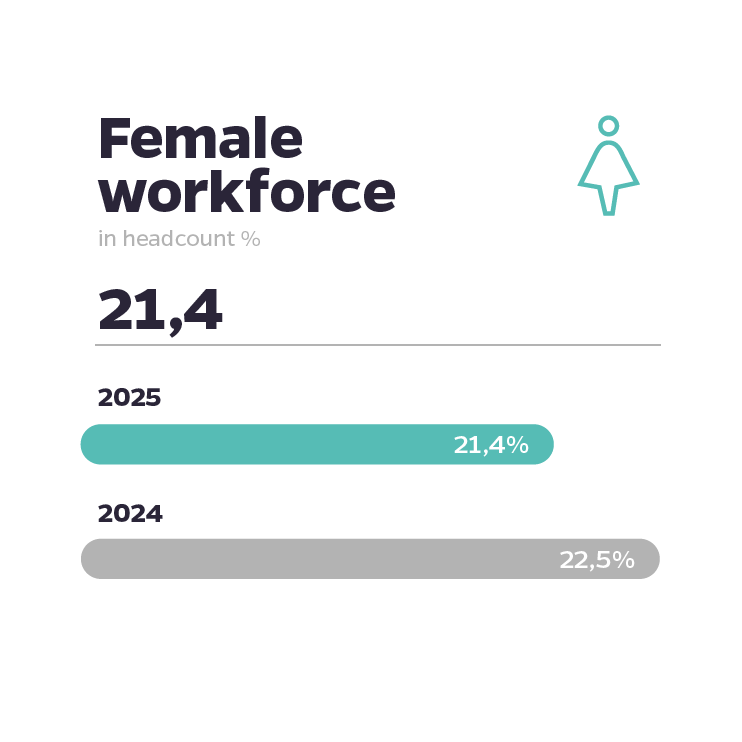
| Female | 54 | 49 |
| Other | 1 | 1 |
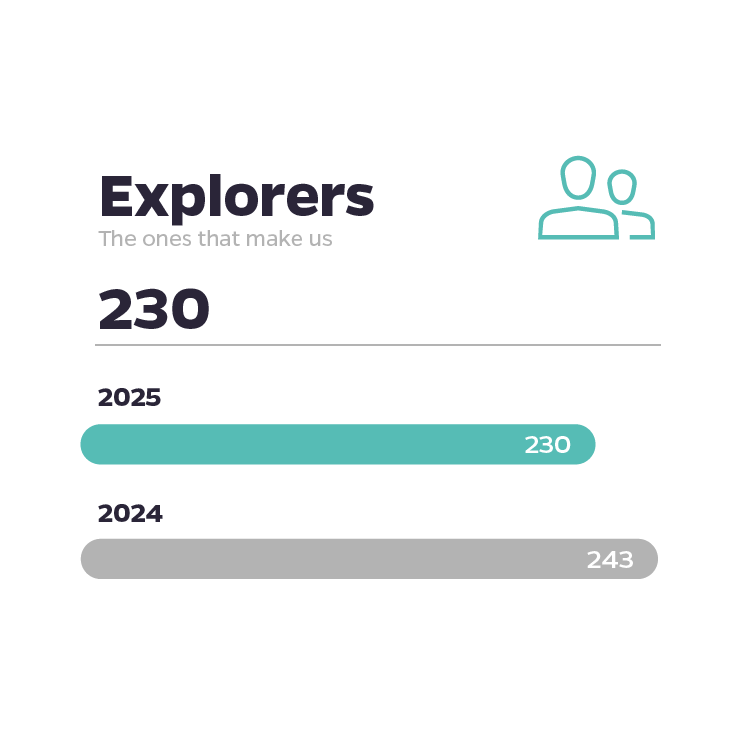
| Total employees | 243 | 230 |
Accounting principles
Total headcount
The total headcount of employees at LINKIT is calculated as the number of employees across all countries in which LINKIT operates, excluding freelancers and contractors. This calculation is based on the measures on December 31.
Geographic distribution
| Number of own employees by location (headcount) | 2024 | 2025 |
|---|---|---|
| The Netherlands | 196 | 191 |
| South-Africa | 37 | 33 |
| Germany | 8 | 5 |
| United States of America | 2 | 1 |
| Total employees | 243 | 230 |
Accounting principles
The geographic distribution of employees is determined by calculating the total headcount of employees within each geographical location where our entities are located. This calculation is based on the measures on December 31.
Employment characteristics
| Employment characteristics | 2024 | Male | Female | Other | 2025 |
|---|---|---|---|---|---|
| Total | Total | ||||
| Employees | 243 | 183 | 55 | 1 | 239 |
| Permanent employees | 186 | 143 | 36 | 1 | 180 |
| Temporary employees | 57 | 40 | 19 | 0 | 59 |
We believe in offering as many fixed contracts as possible. By focusing on permanent employment, we build a knowledgeable team and maintain continuity in our work. This ensures our investment in employee growth and development truly pays off. When we face a significant workload or need specific expertise for a set period, we engage freelancers and contractors.
Accounting principles
Permanent employees
These are employees with an open-ended employment contract, including trainees, but excluding freelancers, contractors, and interns. We calculate the total number of permanent employees by summing up all such positions across our locations.
Temporary employees
These are employees on contracts of one year or less. Interns, freelancers, and contractors are excluded from this category. We calculate the total number of temporary employees by summing up all such positions across our locations.
Employee turnover
| Employee turnover | 2024 | 2025 |
|---|---|---|
| Rate | 17,55% | 20,80% |
Accounting principles
Employee turnover
Employee turnover is calculated as the total number of employees who left LINKIT during the reporting period through voluntary resignation, dismissal, retirement, or passing away. This figure is calculated across all countries in which we operate, excluding freelancers and contractors. To calculate the employee turnover rate, we divide this total by the average number of employees over the same period and express the result as a percentage.
Freelancers and contractors
| Number of non-employees (headcount) | 2024 | 2025 |
|---|---|---|
| Rate | 4 | 4 |
| Total employees | 243 | 230 |
Accounting principles
We classify freelancers and contractors as non-employees. They are individuals whose work supports LINKIT but do not hold an employment contract with us. Project-based assignments with external companies are excluded. The total number of freelancers and contractors is calculated by calculating their headcount across all countries where we operate. This calculation is based on the measures on December 31.
Gender distribution in management
| Employees in top-management by gender | Headcount 2024 | Share 2024 | Headcount 2025 | Share 2025 |
|---|---|---|---|---|
| Male | 6 | 100% | 6 | 100% |
| Female | 0 | 0% | 0 | 0% |
| Total employees | 6 | 100% | 6 | 100% |
| Employees in subtop-management by gender | Headcount 2024 | Share 2024 | Headcount 2025 | Share 2025 |
|---|---|---|---|---|
| Male | 10 | 58,82% | 15 | 71,43% |
| Female | 7 | 41,18% | 6 | 28,57% |
| Total employees | 17 | 100% | 21 | 100% |
Accounting principles
At LINKIT, we have two types of management: top-management and subtop-management. Top-management refers to the Board, while subtop-management consists of employees in leadership roles who are not part of the Board.
Age distribution
| Age distribution of employees in headcount | 2024 | 2025 |
|---|---|---|
| <30 | 61 | 46 |
| >30 - <50 | 138 | 139 |
| 50> | 44 | 45 |
| Total | 243 | 230 |
Accounting principles
The age distribution of employees is calculated through the total headcount of employees under 30 (29 or younger), employees between 30 and 50 (30 to 49), and employees aged 50 or above, excluding freelancers and contractors. This calculation is based on the measures on December 31.
Social protection
We ensure that our employees are covered against loss of income due to major life-changing events, such as sickness, occupational injury, parental leave, and retirement, in accordance with employment terms and conditions described in employee handbooks and contracts.
Persons with disabilities
Due to legal restrictions under the EU General Data Protection Regulation (GDPR) covering all EU member states and EEA countries, as well as similar principles of personal data protection through national legislation in the countries we operate in outside the EU and EEA, we are unable to report on the number of persons with disabilities within our organisation.
Training skills and development
| Training and skills development | 2024 | 2025 |
|---|---|---|
| Percentage of employees participating in performance appraisals | 100% | 100% |
| Average number of training hours | 94 | 94 |
At LINKIT, we see our employees as Explorers. Individuals who forge new paths and push boundaries. We support them by providing a workplace where development, excellence, and inspiration are the norm. To achieve this, we offer an unlimited training budget and allow 10% of working hours to be dedicated to training and development.
Accounting principles
Performance appraisals
We track the completion of our performance appraisal cycle by counting the year-end letters sent to each employee. These letters represent the formal conclusion of the appraisal process.
Average training hours
We calculate the average training hours by using our policy of allowing 10% of working hours for training and development, assuming that half of this allocated time is actually spent on training. We then divide that total by our total headcount to determine how many hours, on average, each employee dedicates to developing their skills.
Health and safety
The nature of our work does isn’t heavily physical. Therefore, our workplace is not characterized by frequent work-related injuries.
Sickness
| 2024 | 2025 | Target | |
|---|---|---|---|
| Sickness rate | 2,7% | 2,6% | <3,0% |
Our sickness KPI reporting continues our historic practices and is shared in addition to the standard requirements per the CSRD. Due to GDPR restrictions, which apply to all EU member states and EEA countries, we cannot differentiate between occupational diseases as outlined by the ILO. Consequently, we report on all recorded sickness without distinguishing between work-related and non-work-related cases.
Accounting principles
Sickness absence is calculated by dividing the total sickness hours in LINKIT by the total working hours. This calculation is based on the reporting period and includes all employees within LINKIT, excluding freelancers and contractors.
Psychosocial safety
| 2024 | 2025 | Target | |
|---|---|---|---|
| Psychosocial safety score | 8,4 | 8,2 | 8,0 |
Accounting principles
We measure psychosocial safety each year through our Employee Satisfaction Survey, where employees provide a numerical grade reflecting how safe they feel at work. To report our overall score, we take the average of these grades across all respondents.
Family-related leave
| Family-related leave | 2024 | 2025 |
|---|---|---|
| Percentage of employees entitled to take family-related leave | 100% | 100% |
We ensure that our employees are entitled to take family-related leave in accordance with employment terms and conditions described in employee handbooks and contracts.
Accounting principles
Parental leave covers any leave taken for caring responsibilities, such as caring for sick children or relatives, as well as maternity, paternity, parental, breastfeeding, birth, and adoption leave. It does not include time off for an employee’s own medical appointments or pregnancy-related illness outside official parental leave, nor does it cover leave for funerals or bereavements. Any leave that is recorded as “unspecified” is likewise excluded.
Work-life balance
| Work-life balance | 2024 | 2025 | Target |
|---|---|---|---|
| Work-life balance score | 8,5 | 7,7 | 8,0 |
Accounting principles
We assess work-life balance annually through our Employee Satisfaction Survey. We ask employees if they agree, partly agree, or disagree with having sufficient time for personal and family commitments. Our reported figure represents the percentage of employees who answered “agree.”
Pay equity
| Pay equity | 2024 | 2025 |
|---|---|---|
| Pay gender ratio – The Netherlands | 6,06% | 5,75% |
| Pay gender ratio – South Africa | 6,67% | 28,57% |
| Pay gender ratio – Germany | - | - |
| Pay gender ratio – United States of America | - | - |
LINKIT aims to ensure fair and equitable compensation for all employees. We calculate our pay gender ratio by comparing the average gross hourly pay level of female employees to that of male employees, factoring in all taxable salary components plus pension contributions. Due to our small female headcount in Germany, we do not publish a separate ratio for that location, as one employee alone does not provide a representative sample. We plan to investigate the reasons behind any pay differences in 2025, with the goal of limiting the gap to 2–3%.
Accounting principles
The pay gender ratio is determined by subtracting the average gross hourly pay of female employees from that of male employees, dividing the result by the average gross hourly pay of male employees, and then multiplying by 100 to obtain a percentage.
Total annual renumeration
| Total annual remuneration | 2024 | 2025 |
|---|---|---|
| Total remuneration ratio | 2.55 | 2.48 |
Accounting principles
The total remuneration ratio is calculated by dividing the highest-earning employee’s total annual salary by the median annual salary for employees in LINKIT, with the annual salary being defined as taxable income plus any employer and employee-paid pension contributions, excluding the highest earning employee.
Discrimination incidents reported and complaints filed
| Discrimination incidents reported and complaints filed | 2024 | 2025 |
|---|---|---|
| Discrimination incidents reported | 9 | 0 |
| Complaints filed | 1 | 0 |
| Fines, penalties and compensation – relating to discrimination | 0 | 0 |
| Number of severe human rights incidents | 0 | 0 |
| Fines, penalties, and compensation – relating to severe human rights incidents | 0 | 0 |
LINKIT actively opposes discrimination and does not tolerate it in the workplace. If any employee experiences or witnesses discrimination, they can report it to the LINKIT Confidants. Due to the sensitive nature of these issues, we keep reports strictly internal and only share them with management when permission is granted. Our grievance mechanisms give employees a secure and confidential channel to voice concerns. We do not disclose specifics about individual incidents, as confidentiality is paramount for protecting everyone involved.
No fines or penalties related to discrimination were recorded in 2024, and no human rights incidents occurred during the reporting period. Consequently, there were no associated fines, penalties, or compensation. We remain committed to upholding regulations, safeguarding our employees’ rights, and maintaining the highest ethical standards.
Accounting Principles
Discrimination incidents reported
The number of employees indicating in the Employee Satisfaction Survey that they have experienced unwanted behavior, either internally or externally.
Complaints filed
The total number of official complaints made to the LINKIT Confidants that were approved for sharing with management.
Continuous concerns
Engaging with our people
At LINKIT, our employees are Explorers — encouraged to seek new solutions, challenge conventions and continuously develop themselves. We aim to provide an environment where development, excellence and inspiration are part of everyday work.
We keep employees informed about the direction of the organisation, while actively encouraging their input on how we work and where we are heading. This dialogue supports engagement and alignment as we continue to grow.
Surveys
In 2025, we transitioned from an Employee Satisfaction Survey to an Employee Engagement Survey, conducted through a new external provider to gain deeper and more actionable insights. The results are used to guide HR priorities and define targeted improvement actions.
In addition, we introduced an annual CSR Survey, enabling us to:
-
Measure work-related travel in line with reporting requirements
-
Capture employee perspectives on key material topics
-
Gather input on sustainability initiatives
Events
We organise recurring in-person moments to strengthen connection and collaboration across the organisation. Quarterly Bits & Bytes sessions provide updates from the Board and create space for dialogue. Weekly Clubdays bring employees together for collaboration and knowledge sharing. In addition, well-being events contribute to team cohesion and a strong sense of community. Together, these initiatives support an environment in which employees feel engaged, heard and able to develop as LINKIT Explorers.
Channels to raise concerns
A safe work environment is important. That’s why we work hard to create one. If something turns out not to be safe, or if someone is not treated correctly, we want to hear about it. By sharing concerns, we can ensure a safe working environment together on all fronts.
LINKIT confidants
Our LINKIT confidants are trusted colleagues employees can talk to about any concerns. Their names and contact information can be found on our intranet and in our employee handbook. Each Confidant has been trained for this role. For each situation, they determine the most suitable approach and who needs to be involved. They operate independently from our HR team; HR only steps in if it’s necessary and requested. HR also makes sure we follow all Dutch regulations.
Whistleblower system
Our whistleblower procedure offers a secure way for employees to report serious concerns about illegal or unethical practices that could harm our organization or the public interest. In such cases, we treat every report confidentially, assess whether an independent investigation is warranted, and keep the person who reported the issue informed about the outcome. Individuals who submit a report in good faith and follow the proper steps are protected against negative consequences in their work.
IT Issue Mechanism
As an IT company, data security and privacy are naturally very important. That’s why we have various systems in place to safeguard our data and privacy.
If a data breach is discovered, or if there is a suspicion of one, we investigate immediately. We do what is needed to secure our data again and to comply with laws and regulations. Any data breaches are documented in a dedicated report.
Employees can find information about data security and privacy on the intranet, in the employee handbook, and in our IT code of conduct. We also offer courses through the Phished Academy, where every Explorer can learn about the laws and regulations around data security and privacy. Our Manager Quality & Security ensures we meet all legal requirements.
Managing impacts on our people
At LINKIT, we aim to provide a work environment where people feel engaged, supported and able to develop. Our policies and processes are designed to contribute to positive employee outcomes and to identify potential risks early.
We actively gather employee feedback to monitor whether our approach aligns with the needs of our people. In 2025, we strengthened this by transitioning to an Employee Engagement Survey, conducted through a new external provider to obtain more actionable insights.
In addition to formal surveys, we collect input through regular interaction moments, including company-wide sessions and direct HR channels. These insights are used to guide improvements in our people approach.
HR is responsible for managing these feedback channels and translating outcomes into actions where needed. All data is handled in accordance with our privacy standards, ensuring confidentiality and enabling open and honest feedback.
Actions taken in 2025
-
Transitioned to an Employee Engagement Survey with a new external provider
-
Introduced an annual CSR Survey to capture employee input on sustainability topics
-
Continued investment in leadership development across the organisation
-
Appointed a new occupational health service provider with increased focus on prevention
Long-term direction
LINKIT remains committed to creating a work environment where people can develop, perform and feel engaged over the long term.
Structural challenges such as talent scarcity, retention and engagement require continuous attention. We therefore focus on strengthening leadership, improving insight through engagement measurement and maintaining a proactive approach to employee wellbeing.
We continue to safeguard fair working conditions and respect for employees across the organisation. Rather than focusing on compliance alone, our aim is to ensure that our policies translate into a positive and sustainable employee experience.


Sustainability Statement
_______________
Governance
Trust as a foundation for sustainable growth
In 2025, governance further evolved from a control function into a strategic condition for growth. As a relatively agile organisation, LINKIT is able to respond quickly to changing market conditions across the countries in which we operate.
At the same time, increasing digital geopolitical tensions, expanding EU regulation and growing dependencies within the supplier chain have made quality, security and compliance core business topics. In response, LINKIT continued strengthening its management system, with a clear focus on integrated risk management and compliance.
Governance at LINKIT serves a dual purpose. It is both a license to operate and a source of competitive differentiation. Compliance has become a prerequisite in sales and contracting processes, while demonstrable control over risk and security strengthens long-term value creation.
Sustainability has been formally embedded in enterprise risk management and is discussed annually at Board level, ensuring alignment between ESG priorities and strategic oversight.
Policies
Information Security Policy
The primary objective of our information security policy is to support our strategy. The policy does this in several ways:
- Thanks to the policy, our key applications and information are always readily available.
- The policy ensures that our data is reliable, enabling us to make sound management, financial, and commercial decisions and to report honestly and comprehensively.
- The policy ensures that personal data and competitively sensitive information remain confidential. We also extend this protection to our customers when necessary.
We actively ensure that our information security policy remains up-to-date, relevant, and fully complied with. Our policy is audited annually as part of our ISO27001 certification, and all employees receive regular training in our methods and procedures.
Whistleblower procedure
We believe in transparency and accountability. Anyone who becomes aware of potential or actual violations of LINKIT policies is encouraged to report these concerns through various channels, whether by speaking with a project or department manager, or by reaching out to our confidants. For serious issues, including violations of EU law under the Whistleblower Directive, our Whistleblower System provides an independent, autonomous, and fully anonymous channel to report misconduct such as corruption, bribery, fraud, sexual harassment, issues in public procurement, and environmental protection. Detailed information on the Whistleblower System, including a comprehensive description in our Whistleblower Policy, is available on our intranet for both our employees and relevant external stakeholders.
| Policy | Scope | Key components | |
|---|---|---|---|
| Privacy: data leaks or cyber incidents (GDPR data) | Integrity and trust: ethical business | ||
| Information Security Policy | Group | X | |
| IT Code of Conduct | Group | X | |
| Data Privacy Policy | Group | ||
| Screening Policy | Group | X | |
| Register of Processing | Group | X | |
| GDPR Leaflet | Group | X | |
| Data Breach Reporting Procedure | Group | X | |
| Cybersecurity Insurance Policy | Group | X | X |
Key themes
Risk management and board oversight
Risk management remains central within all GRC frameworks and is applied organisation-wide. In 2025, risks were analysed using a structured “risk carousel” approach across teams. This resulted in broader risk identification, increased stakeholder involvement and greater organisational awareness. No major incidents occurred during the year. Importantly, no material issues arose that had not already been identified within the risk management process. Risk oversight, including sustainability-related risks, is formally discussed at Board level once per year.
Information security and cybersecurity
The security model continues to evolve in response to a shifting threat landscape. Security controls are increasingly organised around identity, role and project context rather than physical location or network boundaries. This reflects the growing prevalence of targeted and AI-driven phishing and social engineering threats. Security is embedded in the 4D project methodology, where the project’s risk profile determines the required control measures. To further strengthen resilience, a cybersecurity insurance policy was concluded. Beyond financial coverage, this ensures direct access to specialised incident response expertise.
AI governance: balancing innovation and control
Artificial Intelligence creates opportunities for efficiency and innovation, while simultaneously introducing new security and privacy risks. In 2025, LINKIT initiated the further development of its AI policy framework. The objective is to facilitate responsible innovation within clearly defined governance boundaries. A concrete outcome was the Pilot Enterprise ChatGPT initiative, implemented with appropriate safeguards. The structural tension remains: enabling innovation while maintaining control and compliance.
Compliance, regulation and market expectations
European regulatory pressure continues to increase. The registration under NIS2 and the initiation of SOC2 Type II reflect both regulatory developments and growing client demand for demonstrable assurance. Compliance has become a sales and contracting requirement rather than a back-office activity. Governance maturity increasingly influences market access.
Data and cloud sovereignty
Geopolitical developments have intensified focus on data and cloud sovereignty, particularly regarding dependency on hyperscale cloud providers and control over encryption keys. LINKIT actively monitors these developments and translates them into advisory insights and practical solutions for clients.
Actions we’ve taken this year
In 2025, governance efforts focused primarily on strengthening structure and preparedness:
-
Organisation-wide risk assessment via the risk carousel approach
-
Continued investment in ISO-based management systems
-
Inclusion of a foreign entity within ISO scope
-
Registration under NIS2
-
Initiation of SOC2 Type II reporting
-
Registration with RBA and FSQS platforms
-
Development of a Third Party Supplier Policy
-
Initiation of a structured AI governance framework
-
Conclusion of a cybersecurity insurance policy
These actions reflect an increased allocation of resources towards structured compliance, risk management and supply chain governance.
What is not yet fully on track
While structural progress was made, several areas remain in development:
-
ESG integration in supplier requirements is still in early stages
-
SOC2 Type II assurance has been initiated but not yet completed
-
AI governance requires further formalisation and operational embedding
-
Risk discussion at Board level remains periodic rather than continuous
2025 was primarily a year of strengthening foundations rather than delivering visible external milestones.
Focus 2026
In 2026, governance efforts will shift towards deeper implementation and demonstrable assurance:
-
Further implementation of NIS2 requirements
-
Advancement towards SOC2 Type II assurance
-
Formal introduction of a Supplier Code of Conduct
-
Continued development and operational embedding of AI governance
-
Further integration of ESG criteria into supplier management processes
The focus moves from readiness to scalable and demonstrable control.
Targets
| 2024 | 2025 | Target | |
|---|---|---|---|
| Behaviour Risk Score (BRS) | 34 | 47 | >50 |
| Number of information security-related incidents | - | 38 | 0 |
| Number of confirmed information security-related incidents | 0 | 0 | 0 |
| Number of structural improvements implemented to enhance information security | 5 | 3 | >0 |
Our established processes are anchored within the functions that have day-to-day responsibility for ensuring adherence to our policies. Consumer and end-user topics are also addressed on a continuous basis through our ISO 27001 certifications.
Accounting principles
The Behavioural Risk Score (BRS) is a dynamic metric used within the Phished Zero Incident Rate (ZIR) Application to evaluate human-related cybersecurity risks within an organisation. It assesses the likelihood of human errors that could lead to security vulnerabilities, considering various behaviours such as responses to phishing simulations, interactions with security training, and overall engagement with cybersecurity practices. By providing a comprehensive view of user risk, the BRS helps administrators identify potential weaknesses and adjust security measures to strengthen the organisation’s overall resilience.
Continuous concerns
Engaging with consumers and end-users
We enjoy working together with our customers and suppliers. To ensure that they also commit to handling data with integrity, reliability, and safety, we have embedded several processes. These processes include agreements on transparency, guidelines on data handling in accordance with our privacy statement, and instructions on how privacy rights can be exercised.
Surveys
Through various surveys, we monitor our efforts and assess the reliability of our suppliers.
- We send the LINKIT Contractor Survey after each customer assignment, which provides insight into the quality of our service and our employees.
- We ask every supplier to complete a survey.
- For suppliers we have not previously worked with, we request data on both the supplier and the professional who will be engaged; for those we have worked with before, we only request information about the professional who is deployed.
- Self-Employed Contractor Survey
- Fee Party Survey.
Our Manager Quality conducts an annual context analysis, and based on its outcomes, we implement changes as needed. The context analysis and any potential changes are presented to the Board.
Accessibility
Digital accessibility is an important part of our work. During a product’s testing phase, we strive to involve end users in testing, as they are best placed to determine whether a product is truly accessible. We advise our customers to involve end users in the design and testing phases as well, especially for public products used by many people.
The project manager, together with the project team, reviews the feedback received from end users during testing and adjusts the product accordingly, if necessary. Even after delivery, we continue to advise our customers based on end user feedback.
Data leaks or cyber incidents
If a data breach or any other digital incident occurs, we take immediate action. Our protocols are triggered, and if necessary, we involve local authorities and the individuals impacted by the incident. If individuals wish, they can request LINKIT to delete their data in accordance with GDPR regulations, and we comply with such requests whenever possible.
Channels to raise concerns
We do everything we can to keep our customers and employees satisfied and our data secure. However, things don’t always go as planned. To address such issues, we have established a complaint procedure for general concerns and a reporting procedure for privacy matters.
Complaint procedure
Here’s how our complaint procedure works:
- A complaint can be submitted via email (klachten@linkit.nl) or through the form on our website.
- The complaint is assigned to the relevant account manager, who is responsible for resolving it.
- The person who submitted the complaint will receive an acknowledgment within one business day.
- Our account manager will contact the complainant by phone within three business days, or sooner if necessary, to discuss the required action.
- If the complainant is not satisfied with the actions taken, there are two avenues for escalation:
- Internal appeal: The complaint is discussed in full during the Management Team meeting, where the team also considers the customer’s viewpoint and proposed solution.
- External appeal: The complainant may escalate the dispute to a mediator or take it to court.
Channels to raise concerns
If there are concerns about the security of our data or that of our customers, these can be raised in various ways:
- LINKIT can be reached by phone, email, or through the response form on our website, and a formal complaint can also be submitted.
- Often, customers are approached directly with concerns about information security. While this is not a requirement on our part, any questions raised by customers are forwarded to the project team and management.
- Customers and end users can also express their concerns via our whistleblower system. Whistleblower reports are handled by an external law firm, which ensures that the whistleblower is protected.
Data breach reporting law
Since January 1, 2016, the Data Breach Reporting Act has been in force. If a (security) incident creates a significant risk of violating someone’s privacy, LINKIT reports it to the Dutch Data Protection Authority (AP). This may involve the privacy of a LINKIT employee, a candidate, or an employee of one of our customers.
When an incident involves personal data, we act very carefully. Every LINKIT employee is responsible for identifying incidents, from the loss of a laptop or phone to noticing a virus, malware, or stolen account information. If personal data is involved, the incident must be reported to the Privacy Officer. Initially, we refer to this as a LINKIT privacy incident. The Privacy Officer investigates the incident, reviews all circumstances, and then determines whether it should be reported to the AP and to those whose data is affected.


